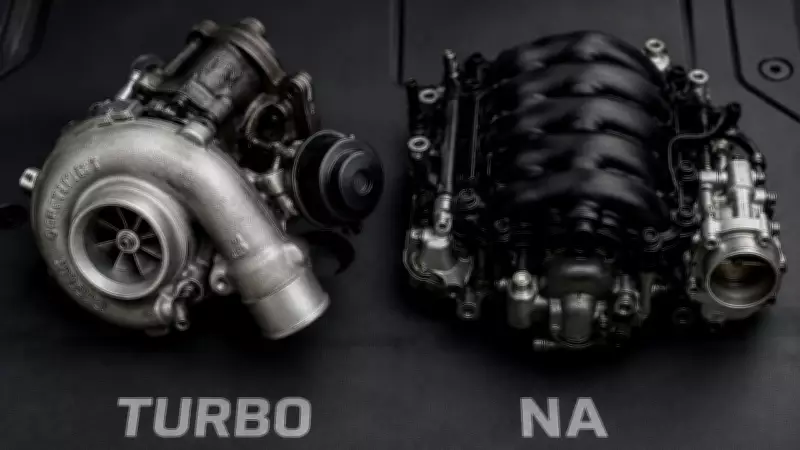
Turbo-petrol engines are becoming increasingly common in the Indian passenger vehicle market, particularly in compact SUVs, sedans, and premium hatchbacks. Automakers are gradually shifting from larger naturally aspirated petrol engines to smaller turbocharged units to improve performance and meet stricter emission norms. However, naturally aspirated (NA) petrol engines continue to remain relevant among buyers prioritising smoother drivability and lower maintenance costs.
How They Work
The difference between the two lies mainly in the way air enters the engine. Turbo-petrol engines use a turbocharger to force additional air into the combustion chamber, helping smaller engines generate higher power and torque figures. Naturally aspirated engines rely on atmospheric pressure, resulting in more linear power delivery.
Performance Comparison
In terms of outright performance, turbo-petrol engines generally produce more torque than similarly sized naturally aspirated motors. Most modern 1.0-litre turbo-petrol engines deliver around 170Nm to 200Nm of torque, while comparable NA petrol engines typically produce between 110Nm and 145Nm. Since turbocharged engines develop peak torque at lower RPMs, they offer quicker acceleration and stronger overtaking performance, especially on highways.

Turbo-petrol cars also require fewer downshifts at higher speeds and feel more relaxed during long-distance driving. Naturally aspirated engines, meanwhile, offer smoother and more predictable power delivery, which many drivers prefer in city conditions. Although turbo lag has reduced considerably in modern engines, NA petrol motors still respond more progressively at low speeds.
Fuel Efficiency
Fuel efficiency figures on paper often favour turbo-petrol engines due to their smaller displacement. In real-world conditions, however, efficiency depends heavily on driving style. Turbocharged engines can return good mileage during steady-speed cruising, but aggressive acceleration usually increases fuel consumption significantly. Naturally aspirated engines tend to deliver more consistent fuel economy in daily urban use.
City Driving
For city driving, naturally aspirated engines continue to offer certain advantages. Their smoother throttle response at lower speeds makes stop-go traffic and parking manoeuvres easier to manage. Some turbo-petrol cars, especially those paired with dual-clutch automatic gearboxes, can feel less smooth in crawling traffic conditions. Carmakers, however, have improved drivability in newer turbocharged engines by reducing lag and refining low-speed response.
Highway Driving
Highway usage remains one of the strongest areas for turbo-petrol engines. Higher torque output allows easier overtakes and improved cruising ability at higher speeds. Turbocharged engines also handle inclines and full-load driving conditions more effectively than naturally aspirated alternatives, which often require higher RPMs and more frequent downshifts.
Ownership Costs
Long-term ownership costs also differ between the two engine types. Naturally aspirated petrol engines are mechanically simpler and operate under lower stress levels. Turbocharged engines function under higher temperatures and pressures, making regular servicing and timely oil changes more important. Repair costs can also be higher if turbocharger-related components fail outside warranty coverage.
Refinement and Verdict
Refinement levels vary depending on engine configuration. Naturally aspirated four-cylinder petrol engines are usually smoother and quieter than smaller three-cylinder turbocharged units. However, turbo-petrol engines often feel more responsive because of their stronger mid-range performance. For buyers who frequently drive on highways and prefer stronger acceleration, turbo-petrol engines may offer a better overall experience. Naturally aspirated petrol engines, meanwhile, remain better suited for buyers focused on city driving, smoother performance, and lower maintenance concerns.