Trump Administration Bans Federal Use of Anthropic AI Technology
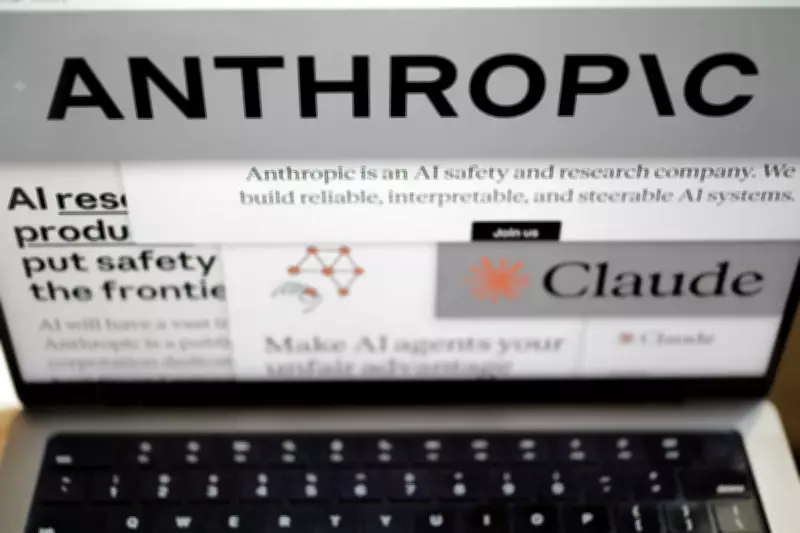
The standoff between the US government and AI safety company Anthropic culminated on Friday, February 27, with President Donald Trump issuing a directive for all federal agencies to immediately cease using Anthropic's technology. This dramatic move follows a week-long crisis triggered by the Pentagon's ultimatum to the company.
Pentagon Ultimatum and Anthropic's Refusal
The conflict escalated when Defense Secretary Pete Hegseth presented Anthropic CEO Dario Amodei with a deadline of 5:01 PM on Friday. The demand was for Anthropic to grant the Pentagon full, unrestricted access to its AI model Claude, or risk losing a $200 million government contract. Anthropic firmly rejected this, maintaining its ethical stance against two key applications: mass surveillance of American citizens and fully autonomous weapons systems capable of lethal action without human oversight.
The Pentagon criticized the company, accusing it of prioritizing Silicon Valley ideology above American lives. In response, Dario Amodei labeled the Pentagon's actions as retaliatory and punitive, vowing to challenge the decision in court.

Industry and Celebrity Reactions
The dispute has drawn significant attention from across the technology sector and beyond. High-profile figures have publicly sided with Anthropic, highlighting the broader implications of AI ethics in military contexts.
- Elon Musk aligned with the Pentagon, reposting a critique by Under Secretary of War Emil Michael on X and commenting, Anthropic hates Western Civilization. This follows previous attacks by Musk on the company's AI and its ethics lead, Amanda Askell.
- Sam Altman, CEO of OpenAI, expressed solidarity, stating he trusts Anthropic and shares their red lines on military AI use. He announced that OpenAI secured its own deal with the Pentagon, incorporating safety measures.
- Ilya Sutskever, former OpenAI chief scientist, praised Anthropic for not backing down, emphasizing the importance of ethical leadership in future AI challenges.
- Vinod Khosla, a prominent venture capitalist, admired Anthropic's principled stand despite disagreeing on autonomous weapons, noting geopolitical threats from adversaries like Putin.
- Katy Perry showed support by subscribing to Claude AI's Pro plan and posting done with a heart, symbolizing her endorsement amid the federal ban.
Political and Legal Fallout
Senator Mark Kelly condemned the Trump administration's actions as dumb and dangerous, arguing that threatening and cutting off a company for ethical concerns undermines national security. Meanwhile, Defense Secretary Hegseth escalated the matter by designating Anthropic a supply chain risk to national security, a label typically reserved for adversarial entities like Huawei. This designation bars any military contractors or partners from engaging with Anthropic.
In a detailed public statement, Anthropic hit back, asserting that no intimidation would alter its position on surveillance or autonomous weapons and announcing plans to contest the designation legally. The company's San Francisco office received public support, with sidewalk chalk art messages like Thank you for standing up and American flags drawn in solidarity.
Trump's Executive Order and Future Implications
President Trump's order mandates an immediate halt to federal use of Anthropic's technology, with a six-month phase-out period for critical military and intelligence applications. In a post on X, Trump declared, THE UNITED STATES OF AMERICA WILL NEVER ALLOW A RADICAL LEFT, WOKE COMPANY TO DICTATE HOW OUR GREAT MILITARY FIGHTS AND WINS WARS! He warned of severe consequences if Anthropic does not cooperate during the transition.
This confrontation underscores growing tensions between AI ethics and national security priorities, setting a precedent for how governments and tech firms navigate the deployment of advanced AI in sensitive domains. The outcome could influence future regulations and corporate policies in the rapidly evolving AI landscape.