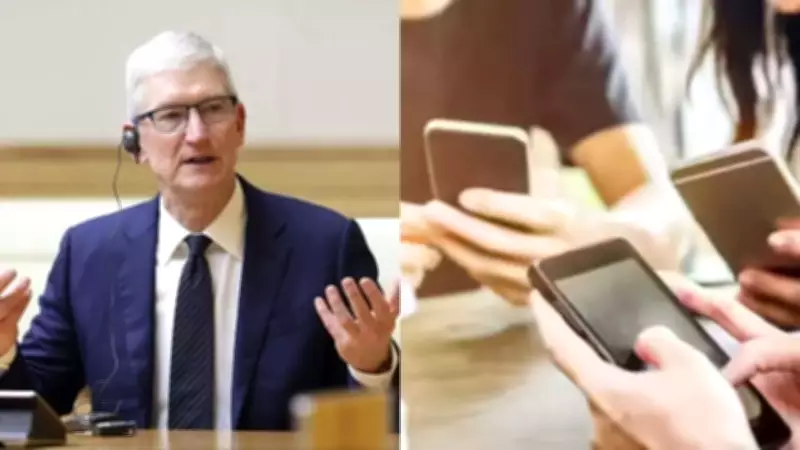
Apple CEO Tim Cook Advocates for Digital Detox and Human Connection
In an era where scrolling through screens has become an ingrained habit, Tim Cook, the CEO of Apple, is delivering a powerful message to the global community: prioritize real-world interactions over digital engagement. During a recent interview with Good Morning America, Cook emphasized the importance of looking beyond smartphones to foster meaningful connections.
Cook's Call to Action: Reconnect with Nature and People
Cook explicitly stated, "I don’t want people looking at the smartphone more than they’re looking in someone’s eyes." He described excessive screen time as an undesirable way to spend one's day, urging individuals to venture outdoors and immerse themselves in nature. This advice comes from the leader of a company that produces some of the world's most popular devices, highlighting a growing concern about technology's impact on daily life.
Artificial Intelligence: A Tool with Profound Potential
Beyond smartphone usage, Cook addressed the rapid advancement of artificial intelligence, labeling it as "profound" and brimming with positive possibilities. However, he cautioned that technology itself is neutral—its benefits or harms depend entirely on how users and creators employ it. This perspective shifts responsibility onto both tech corporations and consumers navigating an increasingly digital landscape.

The Pandemic's Role in Escalating Smartphone Dependency
Since the COVID-19 pandemic, smartphone usage has surged dramatically. Initially essential for online education, remote work, and social connectivity, it has morphed into a persistent habit that is challenging to break. Teenagers and young children are particularly affected, spending extensive hours on platforms like Instagram, TikTok, and YouTube for gaming, scrolling, and content consumption. While these tools were crucial during lockdowns, experts warn they have led to increased dependency and behavioral changes, especially among youth.
Mental Health Impacts of Excessive Screen Time
Research published in Frontiers in Psychiatry underscores serious concerns regarding excessive smartphone use. Studies indicate it may contribute to:
- Heightened feelings of loneliness
- Increased anxiety and depression
- Physical discomfort from prolonged screen exposure
Additionally, social media platforms face criticism for exacerbating political divisions and eroding trust. Nobel laureate journalist Maria Ressa has famously referred to this dynamic as "toxic sludge," pointing to its role in spreading misinformation and fostering societal distrust.
Online Reactions to Cook's Message
Cook's advice sparked varied responses on social media. Some users expressed skepticism, with one commenting, "This is like a cigarette company telling people that smoking kills." Another added, "Stop making smartphones." Others noted the irony, stating, "The man who built the most addictive device in history telling us to use it less is the kind of advice that is easier to give than to take." Analogies were drawn, such as comparing it to a bar owner encouraging moderation after creating addiction. A few supporters defended Cook, arguing that "Hardware is not the problem, it’s the addictive apps you have installed."
Embracing a Life Beyond the Screen
In a world filled with endless notifications and infinite scrolling, Tim Cook's recommendation is straightforward: step outside, engage with others, and reclaim personal time. Ultimately, the most significant enhancement may not lie in technological upgrades but in choosing to live authentically beyond the digital realm.