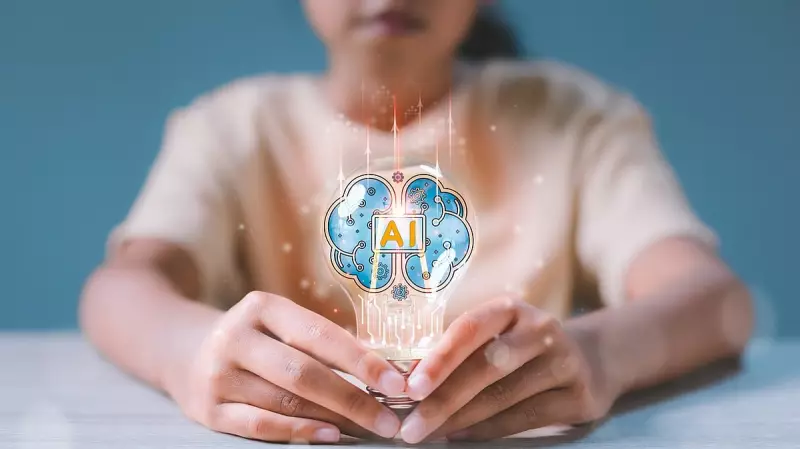
In a significant push to shape the future of learning, the world's leading technology corporations are in a fierce competition to embed artificial intelligence tools directly into school systems across the globe. This rapid integration, however, is raising alarms among child development and health advocates, who caution that the unbridled spread of these new AI products could pose serious threats to the well-being and holistic growth of young students.
The Global Classroom AI Arms Race
Companies like Google, Microsoft, and OpenAI are at the forefront of this educational transformation. They are aggressively marketing and deploying their generative AI platforms—such as Gemini and ChatGPT—into educational infrastructures. The goal is to make these tools a fundamental part of the daily learning experience, assisting with tasks ranging from research and essay writing to personalized tutoring and administrative support for teachers.
The drive represents a strategic move by these tech giants to capture the vast and influential education market early. By embedding their AI ecosystems in schools, they are not only promoting digital literacy but also acclimatizing a new generation to their specific platforms and interfaces. This trend is unfolding on a global scale, with initiatives targeting schools in numerous countries, including India, where digital education initiatives are already gaining significant traction.

Potential Pitfalls for Young Minds
Despite the promised benefits of personalized learning and efficiency, several children's advocacy and health groups are sounding the alarm. Their primary concern is that the rapid and widespread adoption of these AI tools could have unintended negative consequences for students' cognitive and social-emotional development.
Experts warn that over-reliance on AI for problem-solving and content creation might hinder the development of critical thinking, creativity, and perseverance in young learners. There are also profound worries about data privacy, as student interactions with these platforms generate vast amounts of sensitive information. Furthermore, the potential for AI to perpetuate biases present in its training data, or to provide inaccurate information, poses a direct risk to the quality of education and the formation of a student's worldview.
A Call for Cautious Implementation
The central debate now revolves around the pace and framework of this integration. While the technology offers groundbreaking potential, the warning from advocacy groups underscores the need for robust guardrails. They emphasize that student well-being must be the paramount concern, ahead of commercial interests or technological novelty.
This calls for collaborative efforts between educators, policymakers, child psychologists, and the tech companies themselves to establish clear guidelines. Key areas needing attention include:
- Age-appropriate design: Ensuring AI tools are tailored for different developmental stages.
- Transparency and ethics: Making AI's limitations clear and auditing for bias.
- Teacher training: Equipping educators to guide students in using AI as a supplement, not a replacement for learning.
- Strong data protection laws: Safeguarding the privacy of minors in educational settings.
As of January 4, 2026, this issue remains at the forefront of discussions about the future of education. The race to install AI in classrooms is undeniably on, but the final report card on its impact on young people's development is yet to be written. The challenge for global education systems will be to harness the power of generative AI while diligently mitigating the risks to ensure it serves as a true tool for empowerment.