Zoho Founder Sridhar Vembu Analyzes AI's Challenge to Human Self-Worth and Economic Value
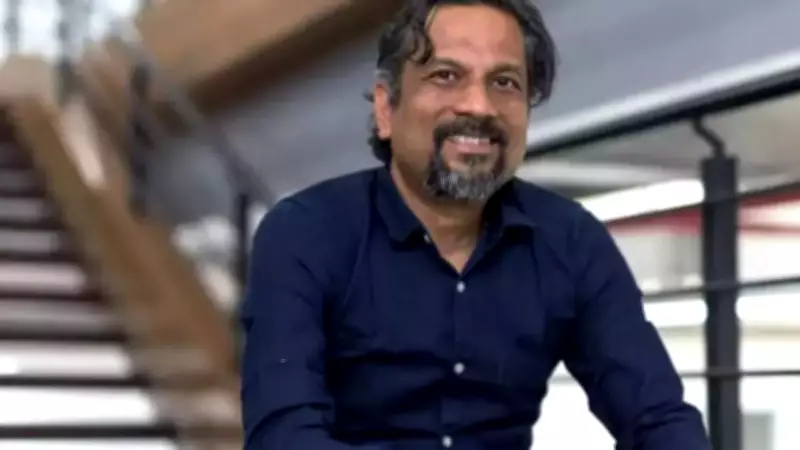
In a thought-provoking social media post, Zoho Corporation founder Sridhar Vembu has shared his perspective on how artificial intelligence (AI) could fundamentally impact people's sense of self-worth, suggesting that the effect largely depends on how individuals define their personal value in contemporary society.
Economic Value and Intellectual Status as Vulnerable Foundations
Vembu specifically highlighted that if people primarily measure their self-worth by the economic value they contribute or by their intellectual status and achievements, then artificial intelligence presents a serious challenge to these traditional metrics of human worth. The technology entrepreneur emphasized that AI systems are increasingly capable of performing tasks that were previously considered exclusively human domains, particularly those involving measurable economic output and intellectual labor.
Purpose-Driven Activities That Remain Unaffected by AI
The Zoho founder identified several categories of human activities that he believes will remain largely unaffected by artificial intelligence advancement. According to Vembu, these include:

- Caring for children and teaching the next generation
- Looking after elderly members of society
- Farming pursued as a deliberate choice rather than economic necessity
- Working as forest rangers who genuinely love and protect natural environments
- Serving as local temple priests who perform daily rituals regardless of attendance
- Practising classical music and performing for even very small audiences
Vembu noted that none of these activities are typically pursued for high income or financial gain. Instead, people engaged in such work are primarily motivated by deeper purposes including service to others, cultural preservation, community connection, and personal passion.
The Shift Toward Human-Centered Activities
The technology leader suggested that while AI may significantly disrupt jobs closely tied to measurable economic output or intellectual tasks, roles rooted in care, culture, and community may remain more stable and resilient. Vembu added an optimistic perspective that as technology continues to evolve, society could gradually reorganize itself toward these kinds of human-centered activities that emphasize qualities beyond pure economic productivity.
"Humanity may organize itself more toward such activity," Vembu wrote in his social media post, indicating a potential societal shift away from purely economic metrics of success toward more meaningful, purpose-driven work that artificial intelligence cannot easily replicate or replace.
The Broader Implications for Work and Society
Vembu's observations come at a time when artificial intelligence is rapidly advancing across multiple sectors, raising important questions about the future of work, human identity, and societal values. His perspective adds to ongoing discussions about how societies might need to redefine concepts of productivity, contribution, and personal worth in an increasingly automated world.
The Zoho founder's comments suggest that the most resilient human roles in the age of artificial intelligence may be those that emphasize uniquely human qualities such as empathy, cultural understanding, spiritual connection, and care for others—areas where machines currently lack genuine capability despite their growing intellectual prowess.