In India, a saree is far more than just a piece of fabric. It embodies history, tradition, and craftsmanship. However, with store shelves filled with lookalikes, a pressing question arises every time you shop: Is this saree truly handloom or powerloom? Telling them apart is not always easy. They often look nearly identical, with similar colors and designs, and price is not a reliable indicator.
Understanding the Core Difference
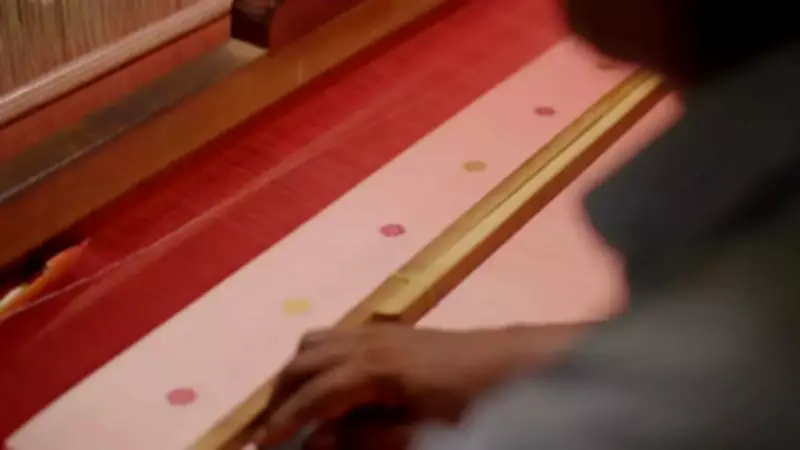
The fundamental difference lies in the making process. Handloom sarees are woven by skilled artisans using manual looms. The weaver guides each thread with hands and feet, creating a living, breathing fabric. In contrast, powerloom sarees are produced by electric machines that churn out patterns with speed and mechanical precision.
Spotting the Signs of Handloom
Here are seven expert tips to help you identify a genuine handloom saree:

- Look for Imperfections: Ironically, the surest sign of handloom is slight irregularities. Threads may wander, motifs may shift, and patterns may not be perfectly uniform. These are not flaws but proof of human hands. Powerloom sarees, on the other hand, look almost too perfect, with machine-like repetition.
- Check the Reverse Side: Most people only examine the front, but the back reveals the truth. Handloom sarees often have loose threads, small knots, or slight unevenness on the reverse. Powerloom sarees are tidy on both sides, as machines leave no trace.
- Feel the Fabric: Experienced buyers rely on touch. Handloom sarees feel softer, more airy, and have a natural texture. They drape fluidly. Powerloom fabric is smoother but often stiffer and less alive. Comparing them side by side makes the difference evident.
- Examine Patterns Closely: Trace a motif across the saree. In handloom, you will see subtle variations between repeats. In powerloom, every motif is cloned identically, with no deviation.
- Consider the Time Factor: Handloom sarees take days, weeks, or even months to weave, reflecting the artisan's skill and patience. Powerloom sarees are produced quickly in large batches. This time investment is often reflected in the final product.
- Don't Rely Solely on Price: While handloom sarees generally cost more, some powerloom sarees are falsely marketed as handloom and sold at inflated prices. Price alone is not a trustworthy indicator.
- Use Certifications as a Guide: Official marks like the Handloom Mark, GI tags, or cooperative society labels add credibility. However, not all genuine handloom sarees have tags, and not every tagged saree is authentic. Learning to recognize the clues yourself is more reliable.
Why the Distinction Matters
This knowledge is not just about fabric identification; it is about making informed choices. Handloom sarees support skilled artisans, preserve tradition, and offer unique, human-made quality. Powerloom sarees provide affordable fashion for the masses. Both have their place, but problems arise when one is misrepresented as the other.
You do not need expert training to spot a handloom saree. By slowing down, paying attention to imperfections, checking the back, feeling the fabric, and tracing patterns, you can learn to see the difference between machine-made and human-made. Once you acquire this skill, it will forever change how you perceive and purchase sarees.
About the Author: The TOI Lifestyle Desk is a dynamic team of dedicated journalists who curate a vibrant tapestry of lifestyle news for The Times of India readers. They go beyond the obvious, delving into the extraordinary to provide daily inspiration and information on fashion, travel, food, wellness, and more.