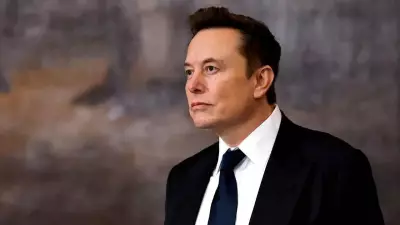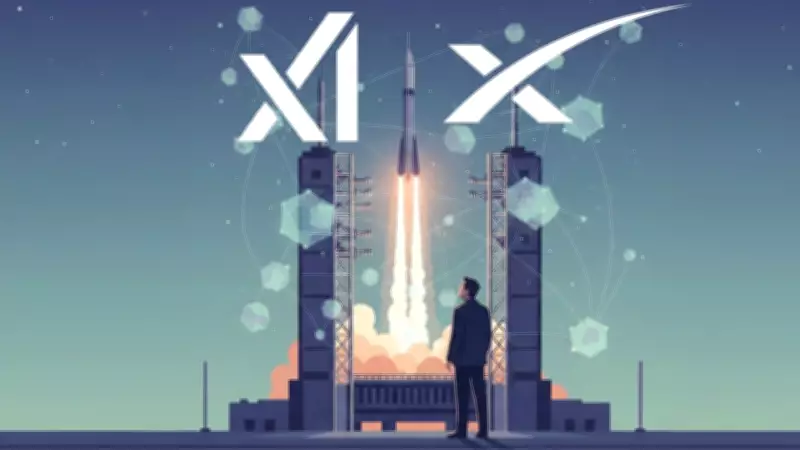
The announcement was characteristically brief yet brimming with confidence. "To the stars," wrote Elon Musk, confirming that SpaceX and xAI are now operating as a single, unified company. While the message itself offered few details, this strategic decision represents a significant turning point in how Musk intends to pursue his long-term, ambitious vision for humanity's future.
Why SpaceX and xAI Were Brought Together
The merger brings together two of Elon Musk's pioneering ventures under one corporate umbrella. Although both SpaceX and xAI will continue to exist publicly under their established names, they will now share identical ownership structures, leadership teams, and technical resources. In practical terms, this means the companies will no longer function as separate, isolated entities operating in silos.
For Musk, the rationale behind this move is straightforward and compelling. Modern space systems increasingly depend on sophisticated software capable of autonomous thinking and action. Simultaneously, advanced artificial intelligence systems require massive infrastructure, vast datasets, and immense computing power. Maintaining space and AI initiatives within distinct corporate frameworks had slowed coordination and introduced unnecessary complexity. By integrating them, engineers specializing in rockets, satellites, and AI can collaborate directly, accelerating innovation and minimizing internal bottlenecks.

What the Merger Changes for Artificial Intelligence
For xAI, the most transformative benefit is immediate access to robust infrastructure. Training and operating large-scale AI models demands extraordinary amounts of energy, cooling solutions, and data. Musk has frequently argued that Earth-based data centers are nearing their operational limits. Through SpaceX, xAI now gains entry to the Starlink satellite network and potential future space-based platforms that could leverage solar-powered computing capabilities.
Furthermore, the merger unlocks opportunities for richer data streams. SpaceX manages thousands of satellites and conducts rocket launches at an unparalleled frequency. This continuous flow of real-world, space-derived data can be utilized to train AI systems designed for advanced navigation, autonomous operations, and real-time decision-making. Over time, AI tools like Grok could become deeply integrated across satellite operations and global communications networks.
What It Means for Space Exploration
SpaceX already relies extensively on automation for rocket landings, launch management, and satellite constellation coordination. With AI development now housed within the same organization, these systems can evolve more rapidly and with fewer constraints.
Looking further ahead, this integration aligns directly with Musk's vision of establishing human life beyond Earth. Missions to Mars will necessitate systems capable of independent operation over extended periods, habitat management, and problem-solving without immediate human intervention. Bringing AI development in-house enhances SpaceX's ability to embed such autonomy into future interplanetary missions from their inception.
A Financial and Strategic Reset
The merger also streamlines Musk's broader business architecture. Rather than funding two capital-intensive companies separately, the consolidated entity can allocate financial and technical resources more flexibly. SpaceX's expanding Starlink revenues offer financial stability, while xAI contributes high-growth potential within the fiercely competitive artificial intelligence market.
Concurrently, the enlarged scale of the combined company may attract heightened regulatory scrutiny, particularly concerning data control, market dominance, and national security implications. These concerns are likely to intensify as AI becomes more deeply woven into space infrastructure globally.
Why Musk Made the Move Now
The timing reflects mounting pressures on both fronts. AI development is accelerating exponentially, while energy and computing limitations are becoming increasingly apparent. SpaceX is transitioning from experimental phases to sustained, large-scale operations. By merging the two entities now, Musk positions himself to address these dual challenges simultaneously.

The announcement may have been succinct, but its implications are profound. Space exploration and artificial intelligence are no longer being treated as parallel endeavors. In Elon Musk's vision, they are inextricably linked components of the same ambitious future, driving humanity toward the stars through unified technological advancement.