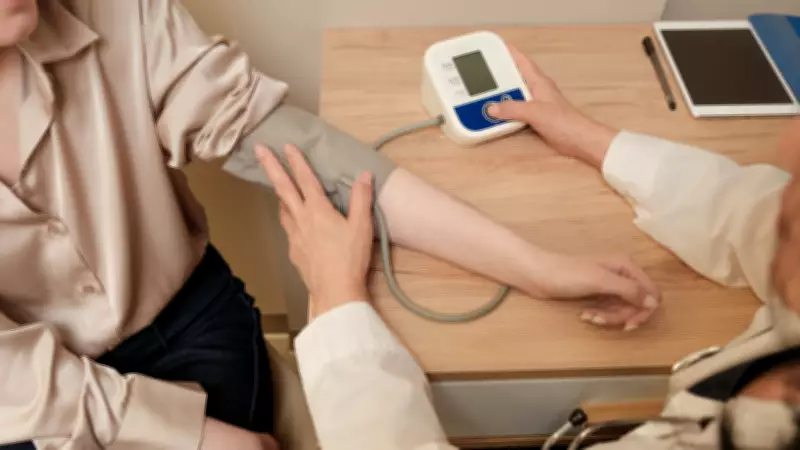
I have spent four decades in the operating theatre and an equal number at the bedside, watching hypertension quietly carve away years of life long before a crisis forces our hands. Hypertension is rarely dramatic at first; it is a stealthy disease. As a heart surgeon who sees the end-stage consequences—stiffened arteries, enlarged hearts, leaking valves, and ruptured vessels—I want you to know the subtle, easily missed signs that your blood pressure may be harming you, and how those signs can differ for women and men.
Understanding the Mechanism
Chronically elevated blood pressure strains the entire cardiovascular system. The heart works harder to eject blood against higher resistance; the left ventricle thickens and becomes less compliant. Arteries, exposed to persistently higher pressure, undergo structural change: they stiffen, become atheroma-prone, and lose their ability to cushion the pulsatile output of the heart. Over years, this silent remodeling translates into heart failure, ischemic disease, stroke, and kidney damage (Whelton et al., 2018). The warning signs are usually subtle because the body adapts.
Key Silent Signs Most People Miss
1. Persistent Morning Headaches
Waking with a dull, band-like headache, especially at the back of the head, is often shrugged off as dehydration or poor sleep. In many patients, it is an early clue that nocturnal or early-morning pressures remain elevated. Kario et al. (2003) demonstrated in a landmark ambulatory monitoring study that the morning surge in blood pressure is an independent predictor of silent cerebrovascular disease and cardiovascular events in elderly hypertensive patients.

2. Excessive Fatigue and Reduced Exercise Tolerance
When the heart muscle thickens and diastolic filling worsens, patients feel breathless or overtired after activities that were once easy. This is not laziness; it is cardiac reserve slipping away. In the Framingham Heart Study, Levy et al. (1990) established that left ventricular hypertrophy, a direct consequence of sustained hypertension, is an independent risk factor for heart failure and sudden cardiac death, irrespective of blood pressure level itself.
3. Neck Pulsations and Visible Carotid Pulsatility
Strong, sustained neck pulsations or an unusual sensation of pounding in the neck can indicate increased pulse pressure or arterial stiffness, both red flags for vascular disease. Laurent et al. (2001) showed that aortic stiffness, measured as pulse wave velocity, independently predicts all-cause and cardiovascular mortality in hypertensive patients, even after adjusting for traditional risk factors.
4. Subtle Cognitive Changes
Difficulty concentrating, slowed thinking, or fogginess may reflect small-vessel damage in the brain from long-standing hypertension. These changes precede major events like stroke and are often misattributed to age or stress. The 2020 Lancet Commission on dementia (Livingston et al., 2020) identified hypertension as one of the most important modifiable risk factors for late-life cognitive decline and dementia.
5. Nosebleeds and Blood in the Eye
While occasional minor nosebleeds happen, recurrent epistaxis or spontaneous subconjunctival hemorrhages without trauma should prompt blood pressure checks.
6. Frequent Nocturia
Waking repeatedly to urinate is commonly considered a urological or prostatic issue, but it can signal impaired renal hemodynamics caused by high blood pressure. Hypertension is a leading cause of chronic kidney disease, and nocturnal pressure natriuresis often precedes overt proteinuria (Drawz et al., 2018).
7. Shortness of Breath When Lying Flat or Needing Extra Pillows
This orthopnea points to early heart failure physiology. It is a late, but sometimes underreported, consequence of untreated hypertension.

Gender Differences You Should Know
Women often develop hypertension later than men, typically after menopause, when protective hormonal effects wane. Their symptoms are more likely to be non-specific: fatigue, anxiety, sleep disturbances, and palpitations. Women with hypertension more commonly develop diastolic dysfunction (stiff heart) than overt systolic failure early on. Because symptoms are vague and frequently attributed to stress or hormonal changes, diagnosis may be delayed. Ji et al. (2020), in a large sex-stratified analysis published in JAMA Cardiology, showed that blood pressure trajectories diverge significantly after midlife, with women experiencing steeper rises post-menopause and carrying a higher relative risk of stroke and heart failure with preserved ejection fraction compared with men.
Men tend to develop hypertension earlier and are more likely to present with classic complications such as coronary artery disease and myocardial infarction. They more often experience target-organ damage that is recognized sooner because it manifests as chest pain or acute coronary syndromes. However, men may ignore subtle signs like early exertional breathlessness, attributing them to deconditioning.
What to Do: Practical Takeaways
- Measure regularly. Home blood pressure monitoring twice daily for a week gives a clearer picture than a single clinic reading. Record values and bring them to your doctor. The SPRINT trial (Wright et al., 2015) demonstrated conclusively that intensive blood pressure control targeting a systolic of under 120 mmHg significantly reduces cardiovascular events and all-cause mortality compared with standard targets.
- Don't dismiss vague symptoms. Persistent morning headaches, new-onset fatigue, nocturia, or cognitive blunting deserve a blood pressure check and cardiovascular evaluation.
- Consider sex-specific risk. Women presenting with atypical symptoms after menopause need thorough evaluation; men with early exertional symptoms require timely assessment for coronary disease.
- Act early. Lifestyle interventions and medical therapy reduce the arterial stress that ultimately leads me to the operating table. That prevention is the best surgery I prescribe.
Hypertension is silent by design, but not inevitable. Watch for the small, persistent changes in your body; they are often the only notes the heart gives before it sings a much louder, harsher tune.
About the Author
Dr. Ramakanta Panda, world's leading heart surgeon and Padma Bhushan, is India's gift to the medical world. With a 99.8% success rate in bypass surgery, he is widely considered the world's safest cardiac surgeon. Currently, the Chairman of Asian Heart Institute Mumbai—the mecca of high-risk cardiac surgeries in Asia—Dr. Panda's legendary career spans four decades. He has performed over 30,000 successful heart surgeries. He has pioneered 'total arterial revascularization' in heart surgery and holds a world record for a single 12-graft procedure. Dr. Panda is also an accomplished wildlife photographer, conservationist, and philanthropist, as well as an ambassador for healthcare reform.