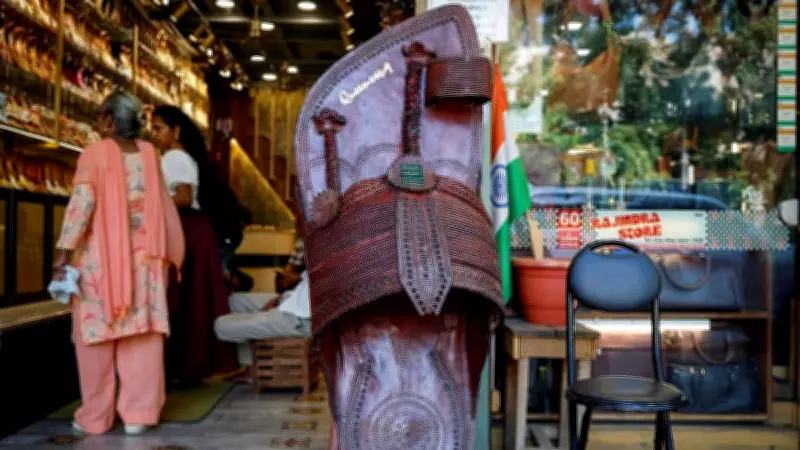
Prada finds itself in a devil of a dilemma, but so does India. The luxury fashion house recently faced online outrage over what critics called cultural appropriation, but neither Prada nor India's digital army is confronting the real problem: why the country's traditional products remain poorly protected while a disproportionate share of the profits flows elsewhere.
The Core Issue
India's rich heritage of traditional crafts, from handwoven textiles to intricate embroidery, has long been a source of inspiration for global fashion brands. However, the benefits rarely trickle down to the artisans and communities who have preserved these skills for generations. Instead, international labels capitalize on these designs without fair compensation or recognition.
Prada's Controversy
The latest uproar began when Prada released a collection that closely resembled traditional Indian motifs. Social media erupted with accusations of cultural appropriation, demanding accountability. Yet, this outcry often misses the larger systemic failure: India's weak intellectual property protections for traditional knowledge and designs.

India's Responsibility
While brands like Prada should be held to ethical standards, India must also strengthen its legal frameworks. The country has not effectively utilized existing laws to safeguard its cultural assets. Without robust protection, artisans remain vulnerable to exploitation, and the nation loses out on economic benefits.
Global Context
This issue is not unique to India. Many developing countries struggle to protect traditional products from appropriation by multinational corporations. However, India's vast and diverse craft sector makes it particularly acute. The government has launched initiatives like the Geographical Indications tag, but enforcement remains weak.
Way Forward
To address this, India needs a multi-pronged approach: stricter IP laws, better enforcement, and greater awareness among consumers and brands. Artisans should receive fair wages and recognition. Only then can the country ensure that its traditional products are celebrated, not exploited.
Ultimately, the Prada controversy is a symptom of a deeper problem. India must move beyond outrage and focus on concrete solutions to protect its cultural heritage and secure economic justice for its craftspeople.