NVIDIA CEO Jensen Huang Advocates for AI in National Strategies
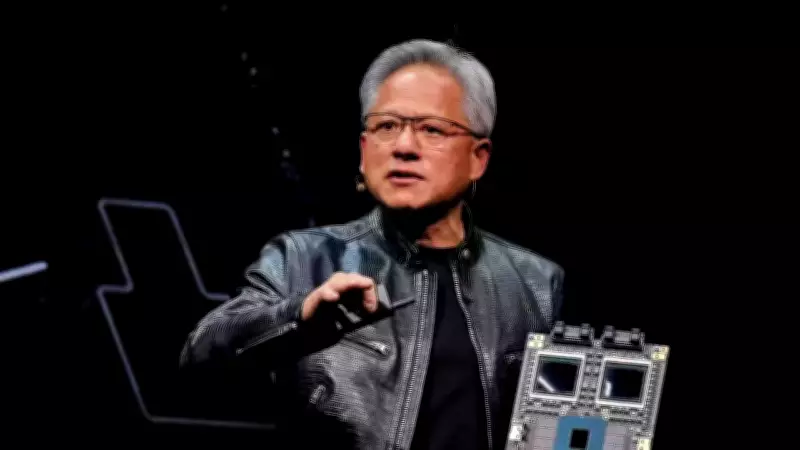
Jensen Huang, the CEO and co-founder of NVIDIA, has emerged as a pivotal figure in the technology sector, steering his company to the forefront of artificial intelligence (AI) innovation. Born in Taiwan and raised in the United States, Huang's background in electrical engineering laid the foundation for NVIDIA's inception in 1993. Under his leadership, the company has evolved from specializing in graphics processing units (GPUs) for gaming to becoming a dominant force in AI research, data centers, and high-performance computing.
The Evolution of GPUs and AI Integration
Initially, GPUs were primarily utilized to enhance visual graphics in video games. However, their role has expanded significantly, now powering complex AI models and tasks that demand substantial computational resources. This transformation has positioned NVIDIA as a key player in 21st-century technology, influencing diverse fields such as healthcare, education, and manufacturing. Huang's insights highlight how AI is not confined to niche applications but serves as a broad-based force reshaping global industries.
Huang's Vision for AI and National Planning
In a notable statement, Huang asserted, "It's very clear that AI is going to impact every industry. I think that every nation needs to make sure that AI is a part of their national strategy. Every country will be impacted." This quote underscores his belief that AI should be integrated into countries' long-term economic and strategic frameworks, similar to how nations plan for energy, infrastructure, and education. He argues that proactive national planning can harness AI to boost economies, create jobs, and improve public services, while neglecting it may lead to challenges in adaptation and competitiveness.

Practical Applications of Huang's Insights
Huang's perspective extends beyond theoretical discussions, offering actionable guidance for various aspects of daily life and society:
- Education: Students and learners can prepare for future changes by understanding AI fundamentals, enabling adaptation across multiple sectors.
- Career Planning: Professionals should consider how AI might transform their roles, leveraging automation and new tools to stay relevant in evolving job markets.
- Business: Small business owners can utilize AI tools for enhanced efficiency and customer service, such as through basic automation and data analysis.
- Government Policy: Policymakers can incorporate AI into infrastructure and economic strategies to ensure national readiness for technological shifts.
- Personal Development: Individuals can stay informed about AI advancements through tech news and online courses, making informed decisions in their personal and professional lives.
The Global Significance of AI Integration
Artificial intelligence is already embedded in everyday products like voice assistants, recommendation systems, and navigation tools, altering how people interact with technology and how businesses operate. Huang's emphasis on making AI a public issue, rather than solely a corporate interest, reflects a growing global dialogue. Leaders across business, science, and government are grappling with the opportunities and challenges posed by rapid technological change, aiming to balance innovation with societal impact.
Additional Insights from Jensen Huang
Beyond his call for national AI strategies, Huang has shared other impactful quotes that reinforce his visionary approach:
- "The most important thing about technology is understanding the problem it solves."
- "Software is eating the world, and AI is eating software."
- "We are just beginning to scratch the surface of what AI can do."
- "Innovation is not about ideas, it’s about making ideas happen."
- "Computing is not just about speed; it’s about solving the hardest problems."
These statements collectively highlight Huang's focus on practical problem-solving and the transformative potential of AI, urging a forward-thinking mindset in both personal and national contexts.