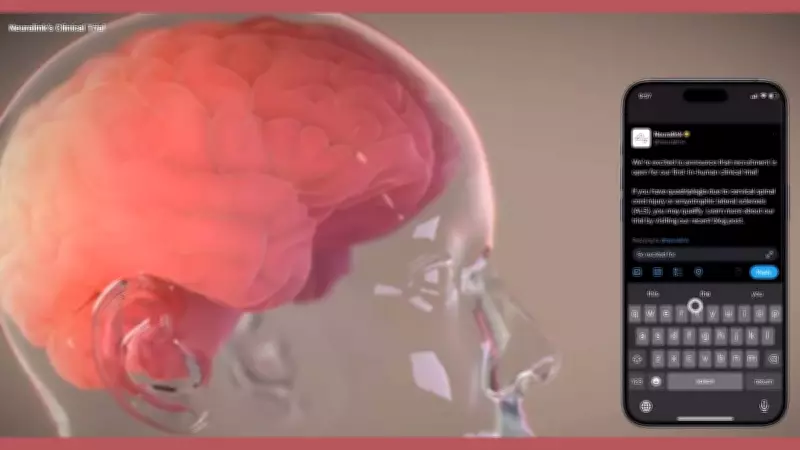
Neuralink Announces Readiness for First Human Implant of Vision-Restoring Brain Device
In a groundbreaking development, Elon Musk has revealed that Neuralink, his neurotechnology company, is now prepared to conduct its first human implant of a brain device designed to restore vision. This announcement marks a significant step forward in the field of medical technology, potentially offering new hope for individuals with visual impairments.
Details of the Vision-Restoring Device
The device, which has been in development for several years, aims to interface directly with the human brain to bypass damaged optical pathways. According to Musk, the technology could help restore sight by stimulating neural circuits associated with vision. This approach represents a radical departure from traditional methods, leveraging advanced brain-computer interfaces to address complex medical conditions.
Key features of the device include:

- High-resolution neural stimulation capabilities
- Minimally invasive implantation techniques
- Real-time data processing for adaptive responses
Implications for Medical Science and Society
If successful, this human implant could revolutionize the treatment of blindness and other vision-related disorders. It underscores the growing role of neurotechnology in healthcare, with potential applications extending beyond vision restoration to other neurological conditions. Musk emphasized that the primary goal is to improve quality of life for patients, aligning with broader efforts in the medical community to harness technology for therapeutic purposes.
The announcement has sparked discussions among experts about the ethical and safety considerations of such implants, highlighting the need for rigorous testing and regulatory oversight.
Future Prospects and Challenges
Neuralink's progress comes amid increasing global interest in brain-computer interfaces, with other companies and research institutions also exploring similar technologies. However, challenges remain, including ensuring long-term safety, addressing potential side effects, and making the technology accessible to a wider population. Musk noted that the company is working closely with medical professionals to navigate these hurdles and aims to scale up operations if initial trials prove successful.
This development positions Neuralink at the forefront of a rapidly evolving industry, with potential implications for fields such as artificial intelligence, robotics, and personalized medicine. As the first human implant approaches, the world watches closely, anticipating the outcomes that could reshape our understanding of human-machine integration.