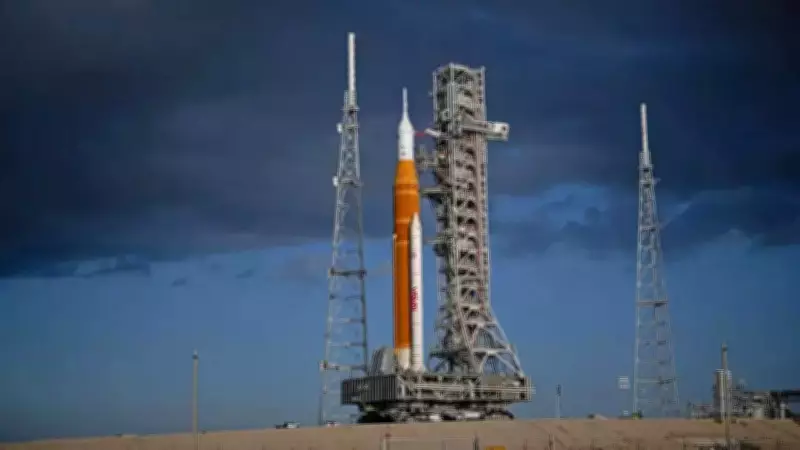
NASA Activates 24/7 Solar Radiation Watch for Historic Artemis II Lunar Mission
As NASA prepares for the groundbreaking Artemis II mission, scheduled to launch on April 1, 2026, the agency is implementing an unprecedented 24/7 solar watch to safeguard astronauts from high-energy radiation threats. This mission marks the first time in over five decades that humans will venture beyond Earth's protective magnetic field, exposing the crew to significant solar hazards during their 10-day lunar flyby.
The Critical Threat: Solar Energetic Particles (SEPs)
The primary danger to Artemis II astronauts comes from Solar Energetic Particles (SEPs), which are released during solar flares and coronal mass ejections. These particles travel at extremely high speeds, reaching spacecraft in less than an hour, and can penetrate hulls, posing severe risks to human health and electronic systems. NASA emphasizes that SEPs represent the greatest radiation threat to crew members during deep space missions.
NASA's Proactive Space Weather Monitoring System
To provide advanced warnings of hazardous solar activity, NASA has established the Moon to Mars Space Weather Analysis Office. This office utilizes:

- A fleet of satellites orbiting the Sun to track sunspot activity
- Data from the Mars Perseverance rover for enhanced solar analysis
- The only currently available accurate method for issuing solar flare and SEP warnings
This comprehensive monitoring system aims to deliver timely forecasts that could be crucial for mission safety.
Innovative Protection: Mars Rover as Solar Sentinel
In a remarkable tactical approach, NASA is leveraging the Mars Perseverance rover to protect lunar astronauts. The rover's Mastcam-Z cameras can photograph sunspots and solar activity on the far side of the Sun approximately two weeks before these features rotate into view from Earth. This Martian vantage point provides scientists with significant lead time—potentially critical for warning Artemis II crews about dangerous flare events before they become visible from lunar trajectories.
Onboard Radiation Detection: The HERA System
The Orion spacecraft is equipped with a sophisticated Hybrid Electronic Radiation Assessment (HERA) system featuring:
- Six real-time sensors distributed throughout the cabin
- Continuous measurement of radiation dose rates
- An audible alarm that triggers when significant radiation spikes are detected
When HERA sensors alert the crew to increased SEP levels, astronauts have been trained to create an improvised storm shelter using available spacecraft mass for protection during the lunar flyby.
Mission Implications and Future Preparedness
This multi-layered defense strategy—combining Earth-based monitoring, Martian observations, and onboard detection—represents a significant advancement in space mission safety. As humanity returns to lunar exploration with Artemis II, NASA's proactive measures against solar radiation threats demonstrate evolving capabilities for protecting astronauts in the harsh environment beyond Earth's magnetic shield. The integration of Mars rover data into lunar mission planning highlights innovative cross-planetary approaches to space exploration challenges.