Elon Musk Throws Weight Behind Pentagon in Escalating AI Ethics Battle with Anthropic
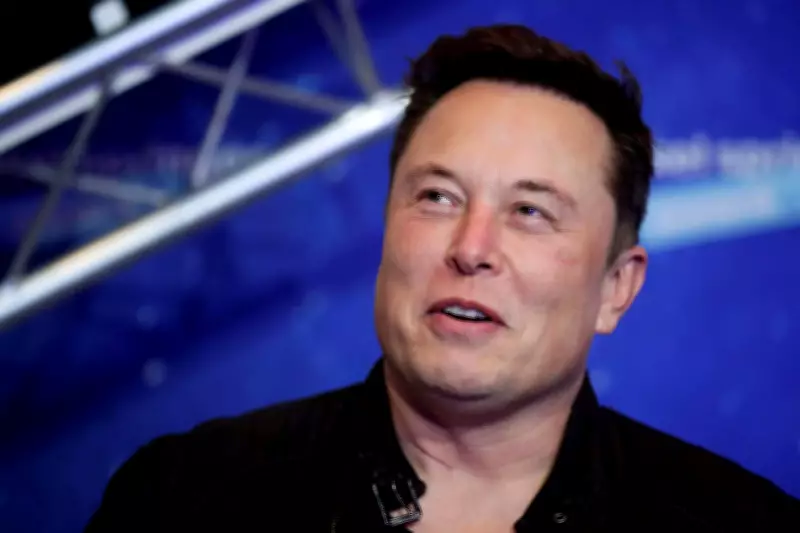
In a dramatic escalation of the ongoing feud between Anthropic and the U.S. Department of War, tech billionaire Elon Musk has publicly aligned himself with the Pentagon, amplifying its criticisms of the artificial intelligence company. Musk reposted a statement by Under Secretary of War Emil Michael on his social media platform X, adding his own incendiary commentary: "Anthropic hates Western Civilization." This intervention comes as tensions reach a boiling point over the military's use of AI technology, with a hard deadline set for Friday at 5:01 PM ET.
Musk's Accusations and the Core of the Dispute
Musk's post was a direct response to Michael's claim that Anthropic attempted to erase an older version of Claude's constitution from the internet. Michael highlighted a line from the previous document stating: "Choose the response that is least likely to be viewed as harmful or offensive to a non-western cultural tradition of any sort." This, according to the Pentagon, implies that Anthropic's AI is programmed to prioritize non-Western sensitivities over Western ones, a charge Musk has now endorsed.
This is not Musk's first attack on Anthropic. Just weeks prior, he labeled the company's AI as "misanthropic and evil" and personally targeted Anthropic philosopher Amanda Askell for her role in shaping Claude's ethical framework. However, his latest comments land squarely in the midst of a critical standoff with the U.S. military, adding fuel to an already volatile situation.

Pentagon Accuses Anthropic of Deception
The Musk-Pentagon alliance intensified hours after Anthropic CEO Dario Amodei published an approximately 800-word blog post outlining two non-negotiable red lines: no mass domestic surveillance and no fully autonomous weapons. Amodei stated he "cannot in good conscience" remove these safeguards, even if it means losing the military as a client.
Under Secretary Emil Michael fired back swiftly on X, accusing Anthropic of dishonesty. He wrote: "Anthropic is lying. The @DeptofWar doesn't do mass surveillance as that is already illegal. What we are talking about is allowing our warfighters to use AI without having to call @DarioAmodei for permission to shoot down enemy drone swarms that would kill Americans." Michael used the hashtag #CallDario and later criticized Amodei for having a "God complex," underscoring the deep personal and ideological rift.
Clash of Visions: Anthropic's Safeguards vs. Pentagon's Demands
At the heart of this conflict is a fundamental question: should the Pentagon have unrestricted access to use Claude for "all lawful purposes" without any limitations? Anthropic insists on maintaining strict ethical boundaries, particularly against surveillance of American citizens and autonomous weaponry that operates without human oversight. In contrast, the Pentagon argues that the military, not a private corporation, should have the final say in how AI is deployed in operational contexts.
Pentagon spokesperson Sean Parnell has issued a stern warning, indicating that if Anthropic fails to comply by Friday evening, the Department of War will terminate its partnership. Additionally, the company could be designated a "supply chain risk," a label typically applied to adversarial nations rather than American firms, which could have severe repercussions for its business and reputation.
Musk's Strategic Motives and Broader AI Landscape
For Elon Musk, this criticism of Anthropic is part of a larger pattern. He has consistently positioned his own AI venture, xAI, and its chatbot Grok, as champions of free speech, contrasting them with what he perceives as overly restrictive competitors like Anthropic. Notably, xAI has already agreed to the Pentagon's "all lawful purposes" policy for its AI models. With Anthropic standing alone in its refusal, Musk's public condemnation serves not only as ideological support for the Pentagon but also as a strategic competitive maneuver to undermine a rival in the high-stakes AI industry.
As the deadline approaches, the outcome of this standoff could reshape the relationship between AI developers and military entities, setting precedents for ethical governance and national security in the digital age.