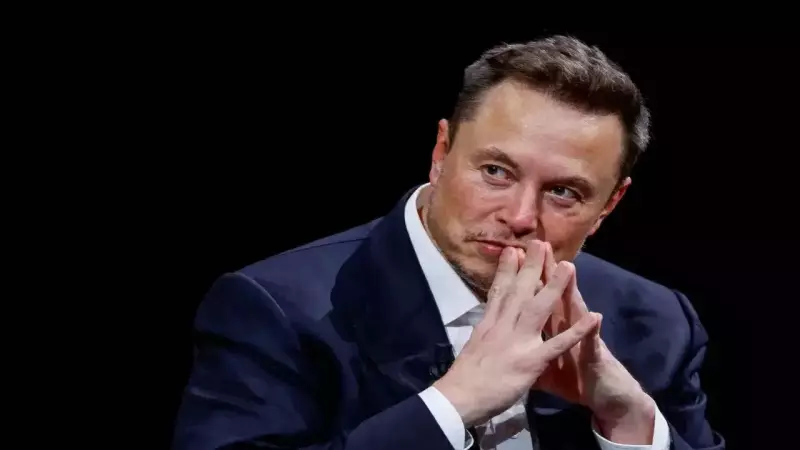
In a bold vision of the future, tech billionaire and Tesla CEO Elon Musk has declared that poverty will be eradicated and people will no longer need to save money. Musk made these striking predictions while engaging in a discussion on the social media platform X, formerly known as Twitter.
Musk's Response to Dalio on Financial Literacy
The conversation began when prominent investor Ray Dalio praised the newly announced Trump accounts initiative. Dalio described it as a bipartisan effort designed to assist young Americans in developing financial knowledge and beginning their investment journeys early. He acknowledged the support of philanthropists Michael and Susan Dell and noted that the program's goals resonated with ideas he presented six years ago in his work, "Why and How Capitalism Needs To Be Reformed."
Dalio emphasized the initiative's value in teaching basic financial skills and helping the youth understand market and corporate operations. He stressed that financial literacy and sound money management are crucial pillars for a robust economy and expressed his intent to support both the accounts and related educational programs.

A Future Beyond Money and Savings
Responding to Dalio's post, Elon Musk acknowledged the philanthropic gesture but presented a radically different long-term outlook. "It is certainly a nice gesture of the Dells, but there will be no poverty in the future and so no need to save money. There will be universal high income," Musk stated. However, the CEO did not provide specific details on the mechanisms or timeline for achieving this economic utopia.
This commentary aligns with Musk's previous explorations into the profound impacts of artificial intelligence and automation on society. He has often discussed how these technologies could reshape labor and economics in the coming decades.
Musk's History of Predicting Money's Irrelevance
This is not the first instance where Elon Musk has questioned the future relevance of traditional finance. Speaking at the U.S.-Saudi Investment Forum in Washington, D.C., last month, Musk projected that continued advancements in AI and robotics would make money obsolete.
He further elaborated that within the next 10 to 20 years, work would become optional, comparing it to a hobby like playing sports or video games. "My prediction is that work will be optional. It'll be like playing sports or a video game or something like that," Musk said. He used an analogy to illustrate his point: "If you want to work, [it's] the same way you can go to the store and just buy some vegetables, or you can grow vegetables in your backyard. It's much harder to grow vegetables in your backyard, and some people still do it because they like growing vegetables."
While these predictions paint an optimistic picture of a post-scarcity world, they currently remain in the realm of futurist speculation, sparking widespread debate about the trajectory of global economics and the role of technology in shaping human livelihood.