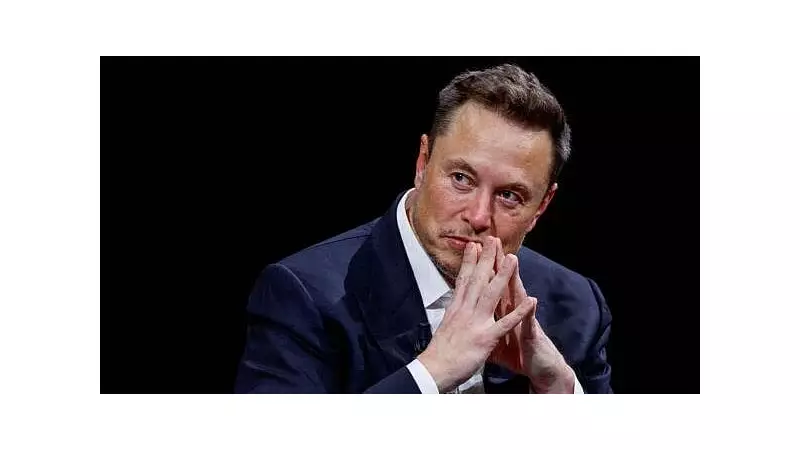
Elon Musk, the owner of the social media platform X, has issued a stern warning to users of its artificial intelligence chatbot, Grok. He stated that individuals who use the AI to generate illegal or prohibited material will face the same legal consequences as those who upload such content directly to the internet.
Government Directive Precedes Musk's Statement
This significant declaration from the tech billionaire came just one day after the Indian government took a firm stance. On January 3, 2026, the Ministry of Electronics and Information Technology (MeitY) directed X to act immediately. The ministry's order mandated the platform to remove all content deemed vulgar, obscene, and unlawful without delay.
The government's notice specifically highlighted content generated by the AI application Grok. The directive warned that failure to comply would result in legal action under India's stringent information technology laws.

Clarifying Accountability for AI-Generated Material
Musk's statement serves to clarify the chain of responsibility in the age of generative AI. It establishes that the platform will not distinguish between a user who creates harmful content using its AI tools and one who uploads it from another source. The onus, according to this policy, lies squarely with the individual initiating the creation of the content.
This move is seen as a direct response to the Indian government's concerns about the potential misuse of AI for creating and spreading harmful material. By equating the act of AI generation with traditional uploading, Musk aims to set a clear precedent for user accountability.
Potential Legal Repercussions and Industry Impact
The consequences for violating this policy could be severe. Users in India found generating illegal content via Grok could be subject to prosecution under the country's IT Act and other relevant laws. This development marks a crucial step in defining the legal framework surrounding generative AI, a technology that is rapidly evolving and posing new challenges for regulators worldwide.
For the social media and tech industry, this incident underscores the increasing pressure from governments, particularly India's, to ensure that powerful new AI tools are not weaponized. It signals a shift towards holding both platforms and end-users accountable for the output of AI systems.
The situation remains dynamic, with all eyes on how X will implement this policy and how Indian authorities will enforce their directives in the coming days.