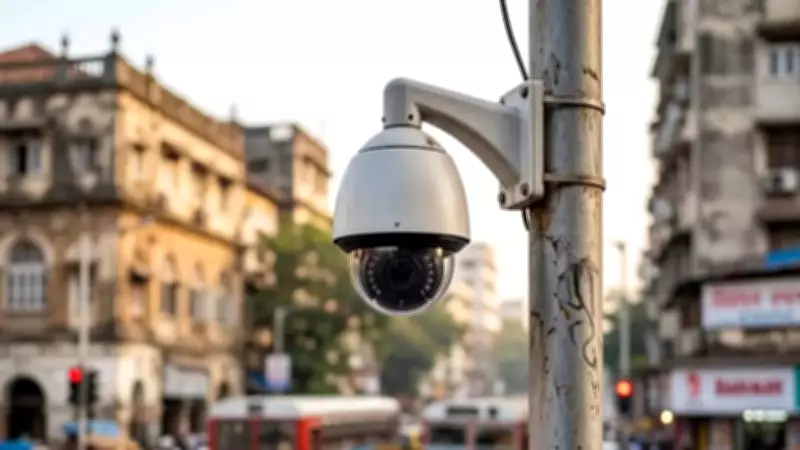
Mumbai Embraces AI-Powered Surveillance for Enhanced Civic Management
The Brihanmumbai Municipal Corporation (BMC) has unveiled a groundbreaking initiative to transform urban monitoring in India's financial capital. As part of the 2026-27 budget, the civic body will integrate advanced artificial intelligence software with a network of 1,150 surveillance cameras across Mumbai.
Tech-Driven Monitoring System to Combat Civic Chaos
This ambitious project involves upgrading 500 existing CCTV cameras and installing 650 new ones equipped with video analytics capabilities. Officials describe the move as a major digital push aimed at building a robust, tech-driven surveillance infrastructure for stronger citywide oversight.
The system is designed to address multiple urban challenges simultaneously:

- Real-time detection of civic violations including unauthorized debris dumping
- Monitoring of overflowing garbage bins and littering incidents
- Identification of encroachments and footpath blockages
- Automated alerts for emergencies like fires, dense smoke, and waterlogging
From Manual Monitoring to Automated Intelligence
A senior civic official acknowledged that Mumbai's current surveillance network lacks an automated alert mechanism, relying heavily on manual monitoring. The new AI-powered analytics will change this paradigm by flagging incidents in real time, significantly reducing response delays.
"This represents a fundamental shift in how we approach urban management," explained a BMC representative. "The AI system will provide early warnings for various scenarios, enabling quicker mobilization of response teams."
Learning from Mumbai's Railway Success
The initiative draws inspiration from Mumbai's suburban railway network, which has already implemented advanced analytics tools including face recognition, crowd-density tracking, and unattended baggage detection. Civic officials cite this existing infrastructure as proof that AI-based surveillance delivers tangible results in urban environments.
Key features of the railway system that influenced the BMC plan include:
- Proven effectiveness in high-density urban settings
- Successful integration with existing security protocols
- Demonstrated improvement in emergency response times
Multi-Agency Coordination for Comprehensive Security
BMC plans to share the AI-equipped camera feeds with Mumbai Police and the Maharashtra State Disaster Management Department. This inter-agency coordination is expected to enhance security coverage and streamline emergency response mechanisms throughout the metropolitan region.
The system is specifically designed to minimize delays during critical situations such as floods, fires, or extreme weather events. By providing early warning alerts, authorities anticipate significantly faster deployment of rescue and relief teams to affected areas.
Budget Allocation and Implementation Timeline
Announced in the 2026-27 municipal budget, this initiative represents one of Mumbai's most significant investments in smart city technology. While specific financial details weren't disclosed, officials emphasized that the project aligns with broader efforts to modernize urban infrastructure and improve quality of life for Mumbai's residents.
The surveillance upgrade is part of a comprehensive strategy to transform Mumbai into a more orderly, cleaner, and safer metropolis through technological innovation and data-driven governance.