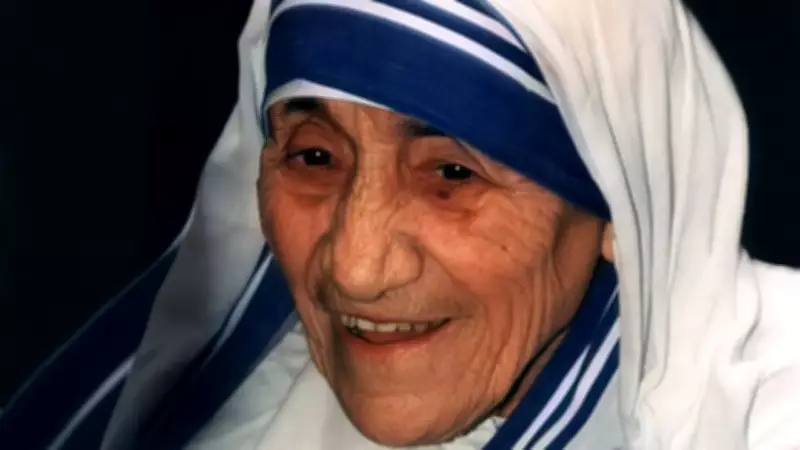
Peace is one of the most discussed concepts in human history, yet it remains elusive. Nations invest billions in defense, leaders engage in peace talks, and societies strive to reduce violence. Amid these large-scale efforts, influential voices have long believed that peace starts with something smaller and more personal. Among them was Mother Teresa, whose quote, "We don't need guns and bombs to bring peace, we need love and compassion," continues to resonate for its simplicity and emotional depth.
The quote transcends politics and military might, focusing instead on human behavior and emotional connection. Mother Teresa believed peace begins with a smile and cannot exist in a world where people stop caring for one another. She viewed compassion, kindness, empathy, and love not as weak emotions but as powerful forces capable of healing suffering and reducing hate.
Meaning of the Quote
Mother Teresa's words carry a deeper message about the true nature of peace. Violence and force, she argued, can never bring lasting harmony. Guns and bombs may temporarily halt conflict, but they cannot eradicate hatred, fear, emotional pain, or division. Only love and compassion can achieve enduring peace.

The quote also reflects her belief that human suffering often stems from feeling ignored, unloved, or abandoned. Much of her life was dedicated to helping those society had cast aside—the sick, homeless, poor, and dying. Her experiences taught her that emotional care can transform lives as profoundly as physical care.
Another key implication is that peace begins at the individual level. Mother Teresa often spoke of small acts of kindness—smiling at someone, feeding the hungry, listening without judgment, and comforting the pained—as building blocks of peace. Her words place responsibility not only on leaders and governments but also on ordinary people, emphasizing that each person contributes to conflict or peace through daily actions and attitudes.
Life Experiences That Shaped Her Philosophy
Born Anjezë Gonxhe Bojaxhiu in 1910 in Skopje (now North Macedonia), Mother Teresa was drawn to religious life and humanitarian work from a young age. She joined a Catholic religious order and traveled to India, where she spent most of her life. In Calcutta, she witnessed extreme poverty, hunger, sickness, and loneliness, which deeply affected her understanding of suffering and humanity. Many people she encountered lacked access to healthcare, family support, or basic dignity, reinforcing her belief that compassion is one of the most powerful forms of service.
In 1950, she founded the Missionaries of Charity, dedicated to helping "the poorest of the poor." The organization expanded globally, known for caring for abandoned children, the terminally ill, leprosy patients, and vulnerable communities. Living among those in pain transformed her view of peace: she believed violence often arises when society stops recognizing humanity in others. This belief became the foundation of her speeches and writings.
Relevance in Modern Society
Despite tremendous progress in science and technology, emotional and social problems persist. Wars, political tensions, online hostility, discrimination, and mental health issues remain global concerns. Mother Teresa's quote resonates today because it offers a different perspective on conflict, emphasizing empathy and understanding over revenge or aggression. Teachers, psychologists, and humanitarian workers highlight compassion as crucial for healthier communities and reducing social isolation.
Her words challenge the notion that strength must be forceful. Kindness and emotional support, she argued, require courage. Psychological research supports this, showing that compassion improves emotional well-being, lowers stress, and builds social bonds. While Mother Teresa approached the subject from humanitarian and spiritual angles, many principles she promoted align with modern findings.

Peace Begins at Home
Mother Teresa often said, "Peace begins at home." She believed larger social problems stem from neglect, anger, judgment, and emotional distance within families and communities. Small acts of change, she insisted, are more effective than waiting for grand opportunities. Her message reached common people, encouraging compassion in daily life rather than expecting everyone to become world leaders or humanitarian workers.
She emphasized emotional presence—listening carefully, respecting others, and making people feel valued. Her teachings remain a source of comfort because they feel practical and personal rather than abstract.
Global Recognition
Mother Teresa's humanitarian work earned worldwide recognition. She received numerous awards, including the Nobel Peace Prize in 1979. In her acceptance speech, she spoke of poverty, compassion, and love as essential for peace, highlighting emotional suffering and loneliness as humanity's chief problems. Her emphasis on kindness and dignity connected with people across countries, religions, and cultures.
Even after achieving international fame, she lived simply and remained active in humanitarian work until her health declined. After her death in 1997, tributes poured in globally. In 2016, the Catholic Church canonized her as Saint Teresa of Calcutta.
Power of Compassion Over Force
Part of the quote's enduring appeal lies in its portrayal of compassion as strength, not weakness. While history often focuses on military victories and political power, many social movements and humanitarian efforts demonstrate the impact of empathy, unity, and emotional support. Compassion can rebuild trust, reduce fear, and foster emotional healing after conflict.
Mother Teresa noted that hatred often arises from feeling unseen or unloved. Her work aimed to restore dignity to the forsaken. Today, experts stress the importance of emotional connection for healthy communities; research indicates that people who feel supported are more likely to collaborate and less prone to severe emotional distress. Thus, the quote serves as both a moral statement and a practical reminder about human relationships.
Influence Beyond Religion
Though a Catholic nun, Mother Teresa's message transcended religious boundaries. Her humanitarian work assisted people regardless of faith, nationality, or background. This universal approach made her one of the most recognized humanitarian figures of modern times. Her quotes are used in schools, motivational discussions, peace campaigns, and social awareness programs worldwide. Many who do not share her religious beliefs still connect deeply with her ideas about kindness, compassion, and human dignity. Her work continues to influence charities, hospitals, and volunteer groups.
Emotional Power of Simple Words
The popularity of Mother Teresa's quotes stems from their simplicity. Her statements are concise, direct, and easy to understand yet carry profound emotional depth. The peace-and-compassion quote avoids complex language or philosophy, speaking directly to universal feelings like fear, loneliness, anger, kindness, and empathy. This accessibility allows people of all ages and backgrounds to connect with her message, amplifying its emotional impact. In an era of constant information and fast communication, simple human messages often stand out most.
Inspiring Future Generations
Younger generations encounter Mother Teresa's words in books, classrooms, social media, documentaries, and discussions about humanity and peace. Teachers and motivational speakers use her quotations to foster empathy and emotional awareness. Humanitarian organizations reference her messages in campaigns on poverty, healthcare, and social welfare. The quote about guns, bombs, love, and compassion remains relevant during global tensions, reminding us that peace involves not only ending wars but also reducing emotional suffering and treating others humanely. While much has changed since her lifetime, the emotional struggles she addressed persist.
Lasting Legacy
Mother Teresa's words endure because they touch an age-old truth: violence creates fear, while compassion builds trust; power can control temporarily, but kindness fosters lasting emotional bonds. Her message carries credibility because she spent decades working directly with suffering communities rather than advocating from a distance. Today, her words inspire people to rethink peace and human behavior, reminding us that while world conflicts may seem immense, change often begins with personal efforts and emotional choices. For millions, Mother Teresa's message powerfully affirms that love and compassion are not trivial—they are the foundation of peace itself.