Microsoft's Bold Move Toward AI Independence
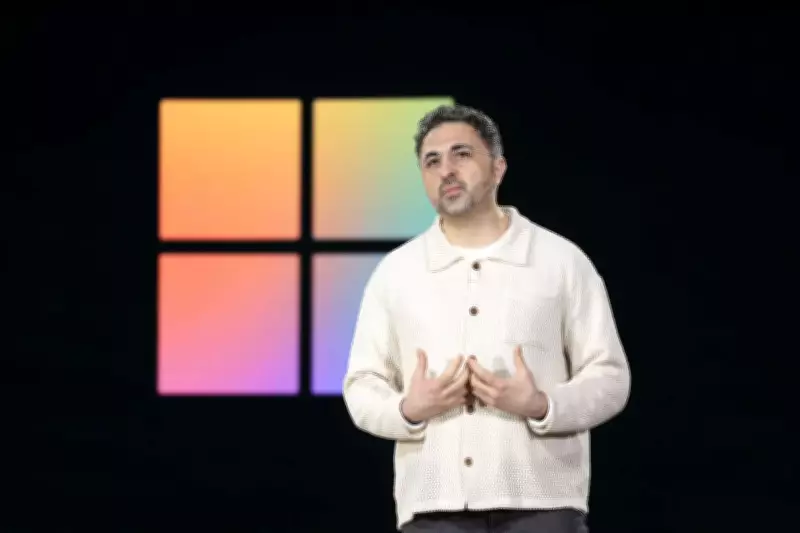
In a significant strategic shift, Microsoft is no longer satisfied with relying on external artificial intelligence providers. The company's AI chief, Mustafa Suleyman, has explicitly stated to the Financial Times that Microsoft is aggressively pursuing "true AI self-sufficiency." This declaration marks a clear intent by the tech giant to reduce its dependence on OpenAI, despite the ongoing contractual ties between the two entities.
Building Superintelligence In-House
Suleyman, who co-founded Google DeepMind before joining Microsoft in March 2024, emphasized his personal mission at the company: to build superintelligence. He stressed that Microsoft must develop its own frontier foundation models, leveraging "gigawatt scale compute" and assembling "some of the very best AI training team in the world." This vision underscores a broader ambition to achieve technological sovereignty in the rapidly evolving AI landscape.
Concrete Steps Toward Self-Reliance
Microsoft is already translating this vision into action. In August 2025, the company previewed MAI-1-preview, an in-house mixture-of-experts model pre-trained on approximately 15,000 Nvidia H100 GPUs. Plans are underway to integrate this model into specific Copilot text use cases, representing a direct effort to replace OpenAI models within Microsoft's own product ecosystem.

Furthermore, Microsoft has been quietly expanding its AI supplier base. The company now hosts models from xAI, Meta, Mistral, and Black Forest Labs in its data centers. Reports indicate that Microsoft even tested Anthropic's Claude models for certain Microsoft 365 Copilot tasks after internal benchmarks showed superior performance for some Office workloads. Notably, this involved paying rival cloud provider AWS for access, highlighting the lengths to which Microsoft is going to diversify its AI resources.
Restructured Partnership with OpenAI
Suleyman's comments follow a restructured partnership agreement signed between Microsoft and OpenAI in October 2025. This deal converted Microsoft's profit-sharing rights into a 27% ownership stake in the newly formed OpenAI Group PBC, valued at around $135 billion. It also extended Microsoft's intellectual property rights to OpenAI models through 2032, including post-AGI systems.
However, the agreement had mutual benefits. OpenAI gained the freedom to source computing power outside of Azure and attract new investors. In return, Microsoft secured the right to independently pursue artificial general intelligence (AGI), either alone or with third-party partners. This restructuring effectively granted both companies the autonomy to build their futures without being constrained by each other.
Investor Concerns and Market Impact
Wall Street has taken note of these shifting dynamics, with growing nervousness over Microsoft's reliance on OpenAI. During a recent earnings call, Jefferies analyst Brent Thill highlighted that OpenAI accounts for 45% of Microsoft's backlog of future sales, raising concerns about "durability" and "exposure." The following day, Microsoft shares experienced a historic single-day loss of $357 billion in value, a downturn largely attributed to these dependency fears rather than the company's actual financial performance.
Looking Ahead
Suleyman expressed optimism about Microsoft's progress, stating that he expects the company to have its own superintelligence model ready "sometime this year." This timeline reinforces Microsoft's commitment to achieving AI self-sufficiency and reducing its strategic vulnerabilities. As the tech industry watches closely, Microsoft's moves could reshape competitive dynamics in the AI sector, emphasizing the importance of in-house innovation and diversified partnerships in the race for technological supremacy.