Nvidia CEO Jensen Huang Delivers Sharp Critique of AI Doomer Rhetoric
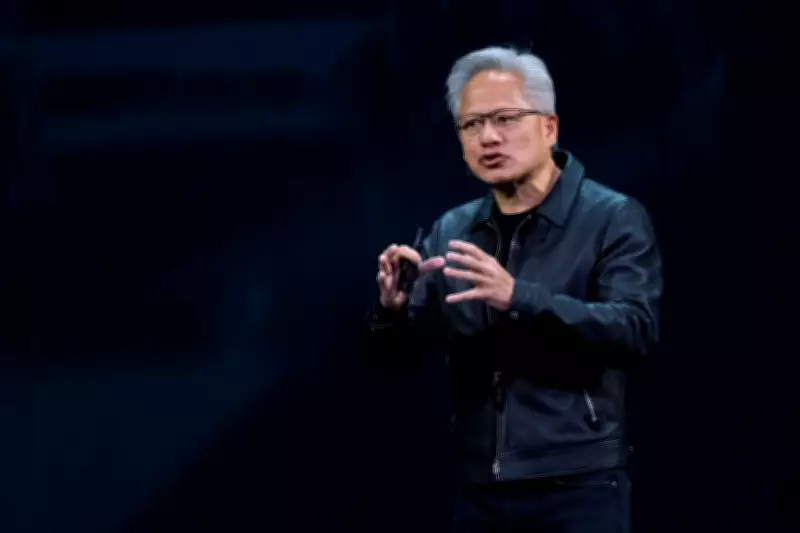
Jensen Huang, the CEO of Nvidia, has issued a pointed message to the artificial intelligence industry's most vocal pessimists: your warnings are causing more harm than you realize. Speaking at Nvidia's GTC Conference in California and during an appearance on the No Priors podcast, Huang made his strongest argument yet against what he terms "doomer rhetoric."
The Core Argument: Fear Slows Progress, Not AI Itself
Huang's position is not that AI development is without risks. Instead, he contends that scaring people away from the technology poses a greater danger. "Warning is good, scaring is less good, because this technology is too important to us," Huang stated during a panel discussion at GTC. He was responding to a question about how Anthropic could have better managed its now-public contract dispute with the Pentagon.
As reported by Bloomberg, Huang believes the most significant threat to US national security is not AI going rogue. Rather, it is Americans becoming so angry, fearful, or paranoid that the country adopts the technology at a slower pace than its global rivals. This delay, he argues, could have severe strategic consequences.

Context: The Anthropic-Pentagon Dispute
The backdrop to Huang's comments is the ongoing conflict between Anthropic, a major Nvidia customer, and the Trump administration. Anthropic CEO Dario Amodei insisted on contract terms that would prohibit the company's products from being used in domestic surveillance of Americans and in fully autonomous weapons systems. In response, the administration declared Anthropic a supply-chain risk and moved to exclude it from government contracts—a decision Anthropic is now challenging in court.
Huang did not take sides in the legal battle. However, he used the situation to distinguish between legitimate caution and rhetoric that escalates into something counterproductive. "It is not a biological being. It is not alien. It is not conscious. It is computer software," he told the Bloomberg panel. "To say things that are quite extreme, quite catastrophic, that there's no evidence of it happening, could be more damaging than people think."
Doomer Influence in Washington Policy Circles
On the No Priors podcast, Huang recalled how deeply doom-oriented voices have embedded themselves within Washington DC policy circles. He described some of the narratives he encountered as outright "inventions" and was direct in his disapproval: "I don't like it when doomers are out scaring people."
The distinction Huang repeatedly emphasized is between genuine concern—which he respects—and manufactured fear designed to influence regulation. He is not naive about the competitive landscape either. Huang has argued consistently that China will not slow down its AI development and will pay far less attention to safety guardrails. In his view, this reality makes irrational AI anxiety an active liability for the United States.
Bullish Outlook on Anthropic Despite Friction
Despite the Pentagon friction, Huang told Bloomberg he remains optimistic about Anthropic's future prospects. He predicted the company could achieve $1 trillion in revenue by 2030 and suggested that Amodei has been conservative with his own estimates. This endorsement underscores Huang's belief in the potential of AI companies to drive significant economic growth, provided they are not hindered by excessive fear.
Huang's comments highlight a critical tension in the AI industry: balancing necessary safety measures with the imperative to innovate rapidly. His warning serves as a call to action for policymakers, industry leaders, and the public to engage with AI development thoughtfully, without succumbing to alarmism that could stifle progress and cede ground to international competitors.