Jack Dorsey Forecasts AI-Driven Elimination of Middle Management
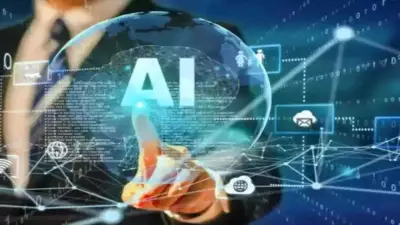
In a bold prediction that could reshape corporate hierarchies, Twitter co-founder Jack Dorsey has stated that artificial intelligence is poised to permanently replace middle managers across industries. With the rapid advancement of generative AI and agentic AI technologies, companies are increasingly looking to integrate these tools to streamline operations and reduce workforce overhead.
The Rise of AI in Corporate Restructuring
Dorsey's vision centers on the transformative potential of AI to automate decision-making and supervisory tasks traditionally handled by middle managers. As generative AI becomes more sophisticated in processing data and generating insights, and agentic AI gains autonomy in executing complex workflows, the need for human intermediaries in corporate ladders is diminishing.
This shift is not merely a temporary trend but a permanent reconfiguration of organizational structures. Companies are actively planning to incorporate AI solutions to slim down their workforce, targeting middle management roles that often involve routine oversight and communication.

Implications for the Workforce and Business Operations
The move towards AI-driven management could lead to significant lay-offs in middle management positions, as businesses seek to cut costs and increase efficiency. Dorsey emphasizes that this technology adoption is driven by the desire to enhance productivity and agility in a competitive market.
- Generative AI can analyze vast datasets to provide strategic recommendations, reducing the need for human analysis.
- Agentic AI can autonomously manage teams and projects, handling tasks like scheduling, reporting, and performance monitoring.
- This transition may result in flatter organizational structures, with AI acting as a bridge between executives and frontline employees.
While this promises operational benefits, it also raises concerns about job displacement and the future role of human managers in fostering workplace culture and innovation. Dorsey's insights highlight a broader trend in technology disrupting traditional employment models, urging businesses to adapt proactively.
As of April 2026, this vision is gaining traction among tech leaders and corporations, signaling a potential paradigm shift in how companies are managed and structured globally.