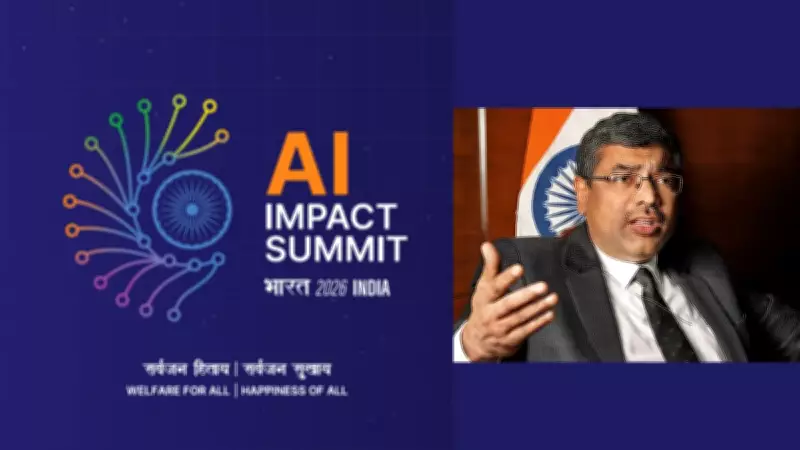
IT Secretary S Krishnan Issues Strict Advisory After AI Robot Dog Controversy
In a significant move to address emerging ethical concerns in artificial intelligence, IT Secretary S Krishnan has issued a strict advisory to technology developers and users. This action comes in the wake of a recent controversy involving an AI-powered robot dog that sparked debates over intellectual property and digital responsibility.
The Advisory: "Do Not Display What Is Not Yours"
The advisory, formally titled "Guidelines on Ethical AI Deployment," carries a clear and unambiguous message: "Do not display what is not yours." This directive emphasizes the importance of ownership and proper attribution in the digital realm, particularly as AI technologies become more sophisticated and capable of generating or manipulating content.
S Krishnan stated, "The rapid advancement of AI brings tremendous opportunities, but it also necessitates a strong ethical framework. We must ensure that innovation does not come at the cost of integrity or respect for intellectual property."

Background: The AI Robot Dog Controversy
The advisory was prompted by a specific incident where an AI robot dog, developed by a private tech firm, was showcased publicly with features and capabilities that were allegedly not entirely original or properly credited. Reports suggest that the demonstration included AI-generated elements that drew from existing technologies without clear acknowledgment, leading to accusations of misrepresentation and potential IP violations.
This controversy highlighted broader issues in the AI sector, including:
- The ease with which AI can replicate or modify existing content
- The blurred lines between innovation and imitation in machine learning
- The need for transparency in AI development and deployment
Key Points of the Advisory
The advisory outlines several critical guidelines for AI practitioners and organizations:
- Ownership Verification: Ensure all displayed AI-generated content is either original or properly licensed and attributed.
- Transparency in AI Capabilities: Clearly disclose the sources and limitations of AI technologies in public demonstrations.
- Ethical Training Data: Use datasets that respect copyright and privacy laws when developing AI models.
- Accountability Measures: Implement systems to track and verify the provenance of AI outputs.
Krishnan added, "This is not about stifling creativity but about fostering a culture of respect and honesty in the digital ecosystem. As AI becomes more integrated into our lives, these principles are essential for sustainable growth."
Industry and Expert Reactions
The advisory has garnered mixed reactions from the technology community. Some experts praise it as a timely intervention to prevent misuse of AI, while others express concerns about potential over-regulation that could hinder innovation.
A spokesperson for a leading AI research institute commented, "While the intent is commendable, the practical implementation of such guidelines will require careful balancing. We need clear standards that protect rights without discouraging collaborative development."
Implications for the Future of AI in India
This advisory marks a proactive step by the Indian government to shape the ethical landscape of AI. It aligns with global efforts, such as the EU's AI Act, to establish norms for responsible technology use. The move is expected to influence:
- Corporate policies in tech companies regarding AI ethics
- Academic curricula to include more emphasis on digital ethics
- Public awareness campaigns on the responsible use of AI tools
As AI continues to evolve, this advisory serves as a reminder that technological progress must be coupled with ethical vigilance to build trust and ensure long-term benefits for society.