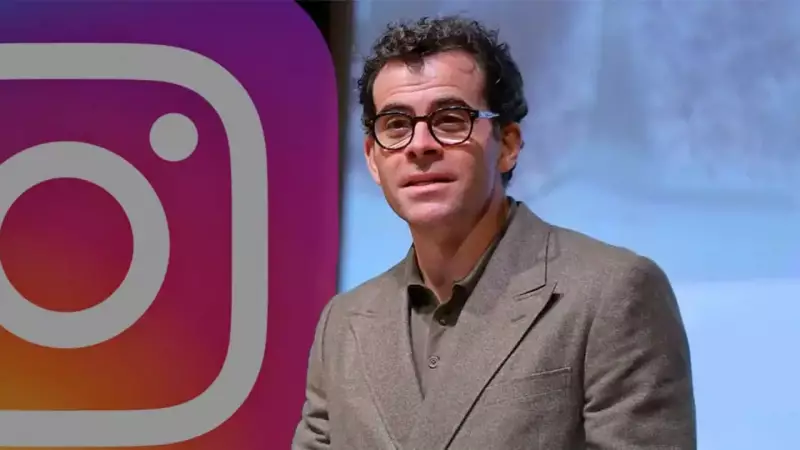
In a candid year-end reflection, Instagram's top executive Adam Mosseri has issued a stark warning about the future of photography and authenticity on social media. He shared a lengthy post on both Threads and Instagram, addressing the profound challenge platforms face from the deluge of AI-generated content that is becoming indistinguishable from reality.
The End of Assumed Authenticity
Mosseri stated that a fundamental shift is underway. "Everything that made creators matter—the ability to be real, to connect, to have a voice that couldn’t be faked—is now suddenly accessible to anyone with the right tools," he wrote. He pointed out that deepfakes are improving rapidly, and AI is now creating photos and videos that are nearly impossible to differentiate from captured media. The result, he warns, is that social media feeds are "starting to fill up with synthetic everything."
Looking ahead to 2026, Mosseri identifies a critical risk: as authenticity becomes infinitely reproducible by AI, its very nature changes. This synthetic abundance, however, will not diminish the value of creators. Instead, he argues it will make them matter more. "Authenticity is fast becoming a scarce resource, which will in turn drive more demand for creator content, not less," he predicts. The key question for creators will evolve from "can you create?" to "can you make something that only you could create?"

The Rise of the 'Raw Aesthetic'
Mosseri took direct aim at the current trajectory of camera and smartphone technology, arguing that the industry is focused on the wrong goal. "The camera companies are betting on the wrong aesthetic," he declared. He critiqued the annual race for more megapixels and advanced image processing, calling it a romanticisation of the past. Features like Portrait Mode, which artificially blurs backgrounds, produce flattering images that are now "cheap to produce and boring to consume."
He forecasts a significant acceleration towards a "more raw aesthetic" in the coming years. Savvy creators, he believes, will intentionally share unproduced and even unflattering images of themselves. "In a world where everything can be perfected, imperfection becomes a signal," Mosseri explained. "Rawness isn’t just aesthetic preference anymore—it’s proof. It’s defensive. A way of saying: this is real because it’s imperfect." He cited examples like casual bathroom mirror videos and unfiltered daily moments shared via DMs as precursors to this trend.
A Future of Default Skepticism and Platform Evolution
The Instagram head acknowledged that society is unprepared for this new reality. For most of human history, people could safely assume that photos and videos were accurate captures of real life. "This is clearly no longer the case," he stated, adding that it will take years for people to adapt. He predicts a societal shift from default belief to "starting with skepticism" when consuming media, with more attention paid to who is sharing content and their motives.
Mosseri outlined the implications for platforms like Instagram. They will face pressure to label AI-generated content, though he admits this will become harder as AI improves. A more practical solution, he suggests, may be to "fingerprint real media" through cryptographic signing by camera manufacturers at the moment of capture. Beyond labels, platforms will need to surface more context about accounts and their history to help users decide what to trust.
For Instagram specifically, Mosseri committed to evolving quickly by building the best creative tools (both AI and traditional), clearly labelling AI content, working on authenticity verification, surfacing credibility signals, and improving ranking for originality. His overarching message is clear: in a world of infinite synthetic content and growing doubt, the creators and platforms that can consistently signal and maintain real human authenticity will be the ones that succeed.