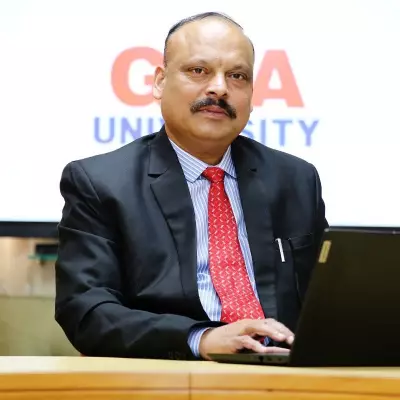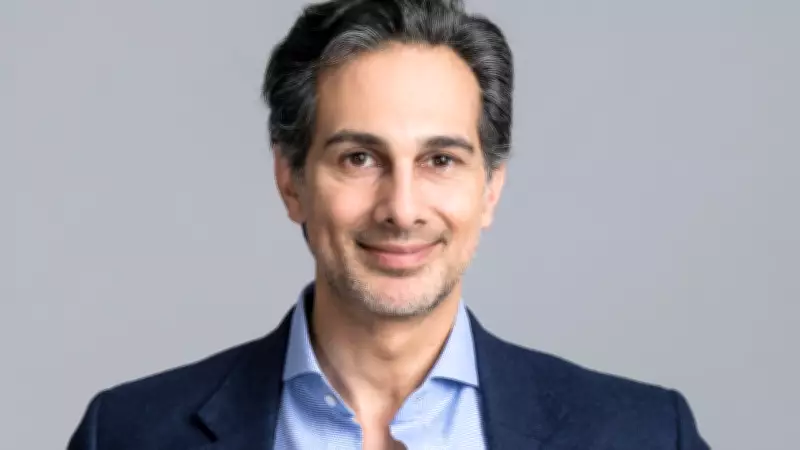
The Venice Biennale is not just an art event; it is a soft power flex for nations. After a seven-year absence, India returns to this global stage—often dubbed the Art Olympics—with a national pavilion. In an interview, curator and art historian Amin Jaffer explains his curatorial vision and why this is a big moment for Indian art.
Why India's Return Matters
Jaffer notes that India's absence at Venice was deeply felt because of the country's rich visual culture. "The fact that we were not represented meant that something was missing for the global audience," he says. "This is a proud moment for all involved and for Indians interested in culture worldwide."
Breaking Stereotypes
Addressing the cliché that Indian art is figurative and decorative, Jaffer emphasizes that the pavilion's selection of five less familiar contemporary artists is intentional. "Nothing is done by chance," he explains. "I wanted to showcase artists of true international calibre who hadn't been shown in Venice before." The works are deeply rooted in Indian civilization but feel fresh and contemporary. "They are remarkably complex, entirely handmade, and produced over weeks of labour."

Countering the Digital Age
Jaffer sees the focus on handmade craftsmanship as a deliberate counterpoint to the increasingly digital, AI-driven visual culture. "In this synthetic world, I wanted to propose something quite opposite," he says. "India has a celebrated tradition of craftsmanship, and I wanted to bring that to the fore." Artists like Ranjani Shettar, Alwar Balasubramaniam, Asim Waqif, Skarma Sonam Tashi, and Sumakshi Singh use Indian techniques to create adventurous, provocative works.
The Theme of Home
The pavilion is centred around the idea of home, a concept Jaffer explores through his own identity. "As I've lived on different continents, I ask myself, where is my home?" he reflects. The theme emerged from Sumakshi Singh's embroidery recreating her demolished family home, expanding to include Bala's fractured soil sculptures and Tashi's work on changing Ladakhi architecture. "Together, these works form a narrative about belonging and transformation."
Indian Presence Beyond the Pavilion
This year, Indian art has a significant presence beyond the pavilion. Nalini Malani's exhibition at the Kiran Nadar Museum of Art, Dayanita Singh at the State Archives, Amar Kanwar at Palazzo Grassi, and Himali Soin in the Biennale's international exhibition are highlights. Additionally, Homo Faber will feature 30 Indian artisans, and Serendipity Arts Foundation is organizing performances across Venice. "These parallel events make for a more expansive Indian presence," Jaffer says.
Art Market and Value
Regarding the debate on Indian art being undervalued globally, Jaffer links art value to economic strength. "Artists from strong economies command the highest prices. Indian art is rising, but this is only the beginning," he states. Institutional recognition through museums and global platforms like Venice is crucial for establishing Indian art internationally.
Connecting to the Biennale Theme
The theme of home aligns with the Biennale's theme, "In Minor Keys," which Jaffer interprets as tender, self-reflective, and melancholic. "It asks: Where do we belong? What defines home? Is it a physical place or a portable condition?"
Public-Private Collaboration
The pavilion draws support from private institutions like NMACC and Serendipity Arts Foundation, alongside the Ministry of Culture. Jaffer sees this as the way forward. "Private-public collaboration is crucial, not just in India but everywhere," he says, citing examples like the Cartier Foundation and LVMH exhibition halls in Paris. "This project represents close collaboration between the ministry and private institutions."