India's Next-Generation Fastag System May Eliminate Physical Tags
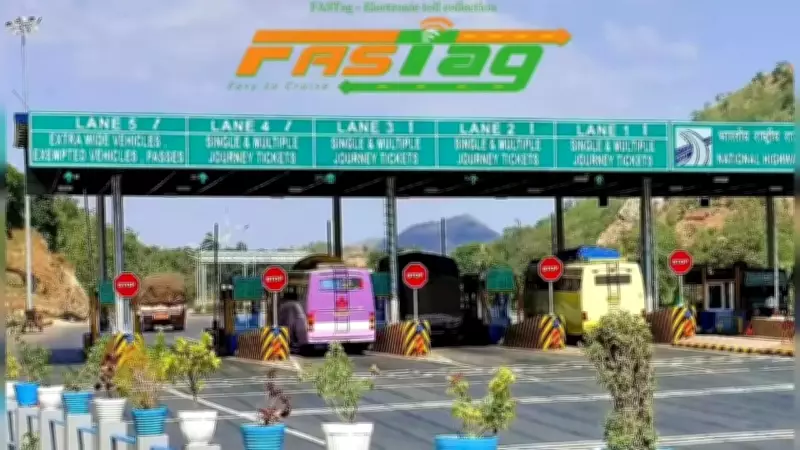
India's next-generation Fastag system could operate without any physical tag at all, according to Pramod Varma, a key architect of India's digital public infrastructure (DPI). Speaking at the ConvoZen Conversational AI Summit in Bengaluru on Tuesday, Varma revealed that vehicles might be identified through roadside cameras, with their type and number detected in real time, leading to automatic toll deductions without the need for a windshield sticker.
AI-Powered Toll Collection System
Varma explained that such computer vision-led systems represent the next layer of India's digital evolution, where artificial intelligence is embedded directly into public infrastructure and operates at the edge. The proposed system would process thousands of vehicles passing through highways each minute, detecting and charging them instantly. This advancement could significantly streamline toll collection, reducing congestion and improving efficiency on India's extensive highway network.
From Digital Identity to Digital Agency
The broader shift, Varma argued, is moving from building digital identity to enabling "digital agency." Over the past decade, India formalized nearly a billion people into the economy through platforms such as Aadhaar, UPI, DigiLocker, and account aggregators. Citing global studies, Varma noted that India achieved in seven to eight years what might otherwise have taken five decades. "The last decade formalized a billion people. The next decade must meet their aspirations," he stated, outlining a move toward livelihood, skilling, and income-generating transactions powered by AI.

Overcoming Interface Complexity with Conversational AI
A key barrier now is interface complexity. While about 550-600 million Indians actively use digital systems, a large share of the adult population still struggles with forms and text-heavy interfaces. Conversational AI, particularly voice systems that allow broken, code-mixed language, could lower that barrier. Varma pointed to a demonstration under the India Energy Stack, where a farmer seeking to increase income could state that goal, after which an AI system analyzed pricing, structured an energy trade contract, and executed payments through UPI. "The real breakthrough is complexity reduction," he emphasized.
Ensuring Digital Trust in the AI Era
Varma also cautioned that AI-driven fraud and deepfake attacks make "proof of personhood" and cryptographically verifiable digital trust essential in the AI era. He added that identity frameworks will need to extend to digital agents and machines, ensuring security and reliability as AI becomes more integrated into daily transactions and infrastructure.