India Champions Inclusive AI with New Delhi Commitments at Global Summit
In a significant move to democratize artificial intelligence, India on Thursday presented a compelling vision for AI that must function across multiple languages, address tangible societal challenges, and extend its advantages beyond a narrow, privileged elite. This initiative culminated in the adoption of the 'New Delhi Frontier AI Impact Commitments' by leaders of major technology corporations—a voluntary framework designed to disseminate AI benefits to developing and underdeveloped countries, particularly in the Global South.
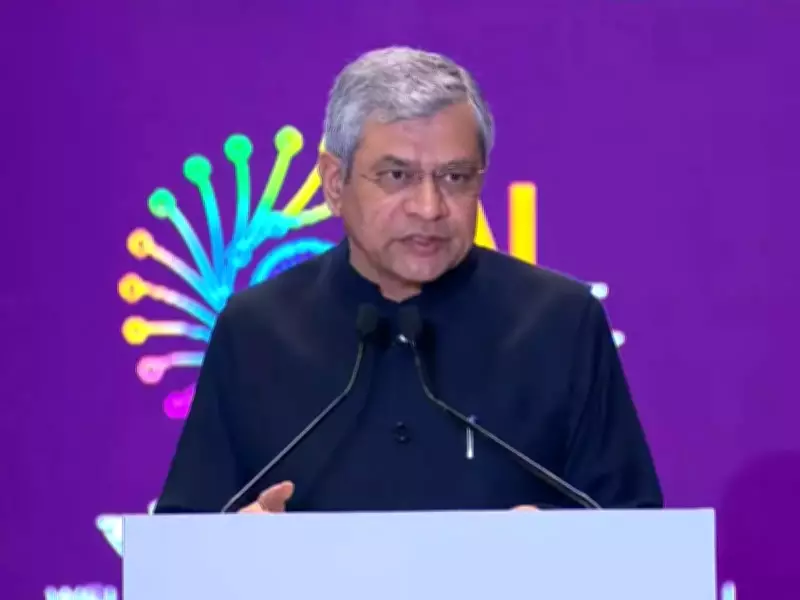
Framework Unveiled by IT Minister Ashwini Vaishnaw
Unveiled at the AI Impact Summit by IT Minister Ashwini Vaishnaw, these commitments unite global frontier AI firms with Indian innovators to foster responsible, inclusive, and culturally sensitive AI development. The emphasis is squarely on practical, real-world implementation rather than abstract declarations, marking a shift toward actionable outcomes in the AI landscape.
Key Commitments: Transparency and Language Equity
The framework outlines two pivotal commitments adopted on the summit's first day. The first commitment centers on transparency and data sharing. Participating organizations will publish anonymized and aggregated statistical insights into AI usage across critical sectors such as healthcare, agriculture, education, and public services. This effort aims to construct a clearer, more comprehensive picture of AI adoption across diverse economies and regions, enabling governments to craft evidence-based policies on workforce transitions, skill development, and productivity enhancements. Additionally, it will facilitate ongoing monitoring of how AI applications evolve over time, ensuring adaptive and informed governance.

The second commitment tackles a long-standing deficiency in AI systems: language bias. Currently, most AI models excel in English but deliver inconsistent results in other languages and cultural contexts. Under the new framework, organizations will actively assess and enhance AI performance across a broad spectrum of languages and settings. This involves collaboration with governments, researchers, and civil society to develop datasets, benchmarks, and evaluation methodologies for underrepresented languages, especially those prevalent in the Global South. By addressing this gap, the initiative seeks to make AI more accessible and effective for diverse populations worldwide.
Bridging Innovation with Inclusion
Describing the New Delhi commitments as a crucial outcome of the summit, Minister Ashwini Vaishnaw highlighted that this initiative is strategically designed to link innovation with inclusion. By prioritizing real-world problem-solving and equitable access, India aims to ensure that AI advancements contribute meaningfully to societal progress, rather than exacerbating existing disparities. This approach underscores a global leadership role in shaping AI ethics and deployment, with a focus on sustainable and inclusive growth for all nations.