India Hosts Inaugural AI Impact Summit with Global Tech Leaders
India recently hosted its first-ever India AI Impact Summit, drawing significant attention to the field of artificial intelligence. The high-profile event featured some of the biggest names in the industry, including OpenAI CEO Sam Altman and Anthropic CEO Dario Amodei, who were among the global tech figures in attendance. This gathering marked a pivotal moment for India's role in the global AI landscape, showcasing the country's growing influence and commitment to technological advancement.
White House Adviser Outlines US Vision for AI Collaboration
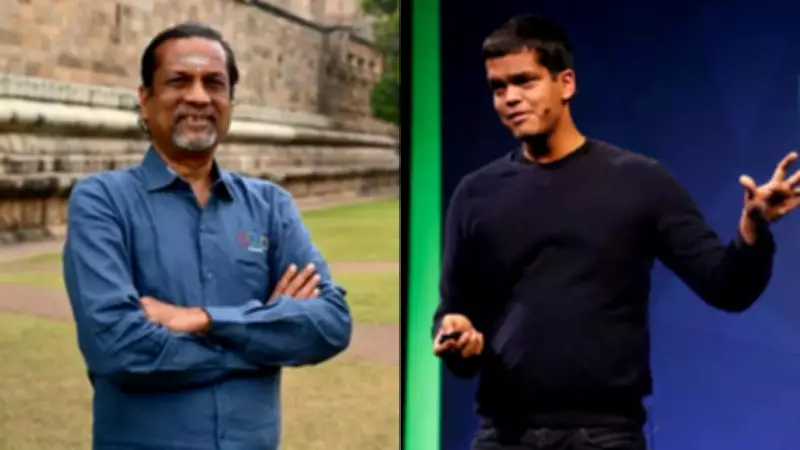
Also present at the summit was Indian-origin White House adviser Sriram Krishnan, who detailed the United States' vision for AI collaboration with India. In his remarks, Krishnan emphasized Washington's strong interest in strengthening technological partnerships between the two nations. He highlighted efforts to ensure that allies, including India, leverage American AI infrastructure and models, aiming to foster closer ties in this critical sector.
Zoho Founder Raises Concerns Over Brain Drain
However, for Sridhar Vembu, founder of Zoho Corporation, Krishnan's appearance at the summit underscored a more complex issue: the enduring challenge of India's brain drain. Vembu took to social media platform X to repost a video of Krishnan discussing how the US wants its allies to use American AI. In the caption, Vembu urged India to "fight hard" to retain its brightest minds, pointing out that losing figures like Krishnan to foreign nations makes brain drain "costly." He wrote, "This is why brain drain is costly and we must fight hard to retain the next generation of talent in India," sparking a broader conversation about talent retention strategies.

Understanding Brain Drain and Its Impact on India
Brain drain refers to the large-scale emigration of high-skilled Indian talent to other countries, often driven by the pursuit of better life and livelihood opportunities. Thousands of Indian students go abroad each year to attend universities or work at companies, contributing to this trend. According to NITI Aayog, for every one foreign student that comes to India for higher education, 25 Indians go to foreign universities. In 2024 alone, 13.36 lakh Indian students went abroad for higher studies, with the United States remaining a primary destination.
Key Statistics on Indian Talent Emigration:
- Indians account for roughly 71 per cent of H-1B visa holders in the US.
- According to Statista, 283,397 Indian nationals were granted H-1B visas in 2024, highlighting the global demand for Indian talent.
- This data underscores the scale at which skilled professionals continue to move abroad, raising questions about India's ability to retain its upcoming generation of innovators.
Current Immigration Context and Future Implications
In the current background of political agendas against illegal immigration, such as those involving H-1B visas, many Indian-Americans have been forced to return to their homeland. This situation adds another layer to the brain drain debate, as it may influence future migration patterns. Vembu's remarks at the AI summit prompt a critical examination of whether India is doing enough to create opportunities that can keep top talent within the country, ensuring sustainable growth in sectors like artificial intelligence and technology.
The discussions at the India AI Impact Summit not only highlighted international collaborations but also brought to the forefront the urgent need for domestic policies to address brain drain, making it a key topic for policymakers and industry leaders alike.