India AI Impact Summit 2026 Sets Ambitious AI Goals for National Challenges
The Indian government has unveiled a bold strategy at the India AI Impact Summit 2026, focusing on harnessing artificial intelligence to address two critical national issues: road accidents and the emissions crisis. This initiative marks a significant step in integrating advanced technology into public policy for sustainable development.
AI-Driven Solutions for Road Safety
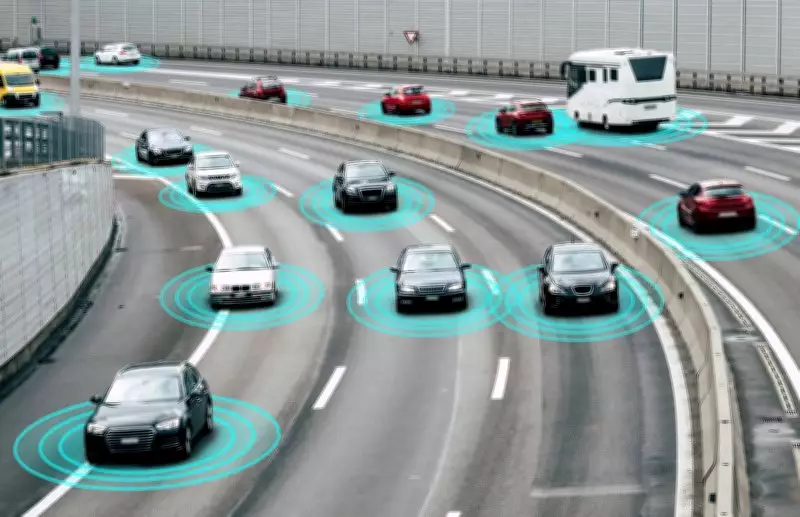
At the summit, officials highlighted plans to deploy AI systems to analyze traffic patterns, predict accident-prone areas, and optimize road infrastructure. By using machine learning algorithms, the government aims to reduce the high rate of road fatalities, which have been a persistent concern. These AI tools will process real-time data from sensors and cameras to enhance traffic management and emergency response.
Tackling Emissions with Intelligent Technology
In addition to road safety, the summit emphasized AI's role in combating the emissions crisis. The government is exploring AI applications to monitor pollution levels, optimize energy consumption in industries, and promote cleaner transportation alternatives. This approach seeks to align with global climate goals while fostering economic growth through tech-driven environmental solutions.

Government's Vision and Implementation
The India AI Impact Summit 2026 serves as a platform for collaboration between policymakers, tech experts, and industry leaders. The government has outlined a roadmap for pilot projects and funding initiatives to support AI research and deployment. By prioritizing these areas, India aims to position itself as a leader in using AI for social good and sustainable development.
Key takeaways from the summit include:
- Enhanced data analytics for predictive modeling in traffic and emissions control.
- Public-private partnerships to accelerate AI innovation and adoption.
- Focus on scalable solutions that can be implemented across urban and rural regions.
This initiative reflects a growing recognition of AI's potential to transform traditional approaches to public health and environmental management, setting a precedent for future tech-driven governance in India.