India Accelerates AI Infrastructure with Massive GPU Deployment
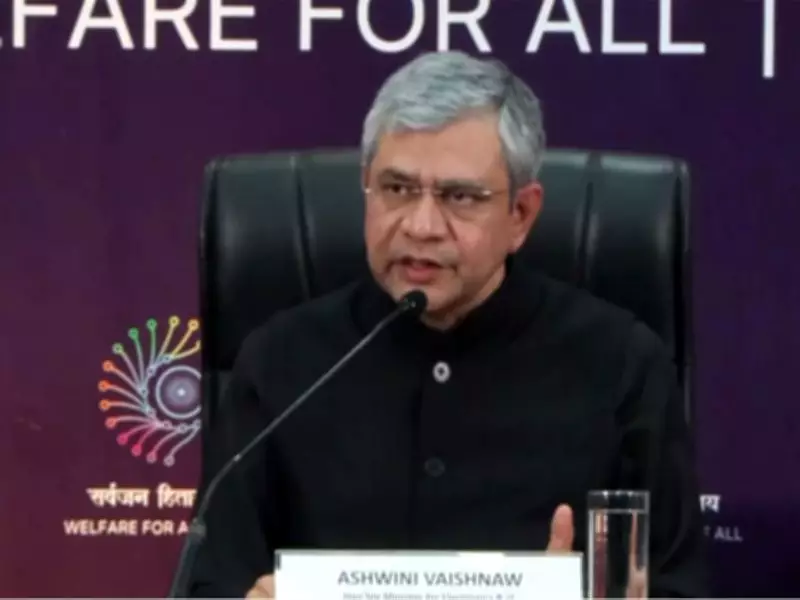
In a significant move to bolster its artificial intelligence and high-performance computing capabilities, India is poised to add 20,000 Graphics Processing Units (GPUs) within the next week. This expansion comes on top of the 38,000 GPUs already operational across the country, as announced by Union Minister Ashwini Vaishnaw. The initiative underscores India's commitment to advancing its technological infrastructure and positioning itself as a global leader in the AI domain.
Strategic Boost to Computing Power
The deployment of these additional GPUs is part of a broader strategy to enhance India's computational resources, which are critical for AI research, data analytics, and various industrial applications. GPUs are essential for processing complex algorithms and large datasets efficiently, making them a cornerstone of modern AI development. With this new influx, India's total GPU count will reach 58,000, significantly boosting its capacity to handle advanced computing tasks.
Minister Vaishnaw highlighted that this rapid deployment reflects the government's proactive approach to meeting the growing demands of the digital economy. The move is expected to support sectors such as healthcare, finance, and education, where AI-driven solutions are increasingly being adopted. By scaling up GPU availability, India aims to foster innovation, reduce dependency on foreign technology, and create a robust ecosystem for startups and researchers.

Implications for AI and Industry Growth
The addition of 20,000 GPUs is not just a quantitative increase but a qualitative leap in India's tech landscape. It will enable faster processing of AI models, improve machine learning outcomes, and accelerate the development of cutting-edge applications. This infrastructure boost is likely to attract investments and talent, further solidifying India's position in the global tech arena.
Experts believe that this initiative could lead to breakthroughs in areas like natural language processing, computer vision, and predictive analytics. Moreover, it aligns with the government's vision of a 'Digital India,' where technology drives economic growth and societal progress. The enhanced GPU capacity will also support initiatives in smart cities, cybersecurity, and digital governance, making public services more efficient and accessible.
Future Prospects and Challenges
While the deployment marks a milestone, challenges such as energy consumption, cooling requirements, and skilled workforce availability need to be addressed. The government is reportedly working on policies to ensure sustainable integration of these GPUs, including investments in renewable energy and training programs for AI professionals.
In summary, India's plan to add 20,000 GPUs in a week, building on an existing base of 38,000, represents a bold step toward technological self-reliance. As Minister Vaishnaw emphasized, this effort is crucial for harnessing the power of AI to drive innovation and economic development, setting the stage for a more connected and intelligent future.