In a significant push to strengthen India's semiconductor and photonics ecosystem, indigenously developed silicon photonics technology solutions were launched at the Indian Institute of Technology Madras on Friday. These include a Process Design Kit (PDK) and a programmable photonic chip test engine, marking a key step toward technological self-reliance in advanced chip design.
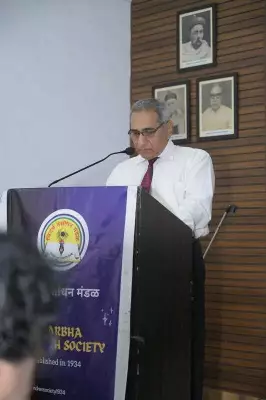
The solutions were unveiled by S Krishnan, secretary at the Ministry of Electronics and Information Technology (MeitY), in the presence of Amitesh Sinha, additional secretary at MeitY and CEO of the India Semiconductor Mission, along with senior faculty and governing council members.
Developed under the MeitY-supported Centre of Excellence for Silicon Photonics at IIT Madras, the technologies are expected to function as a shared national facility for industry, startups, academia, and defence R&D organisations working on photonic integrated circuits.

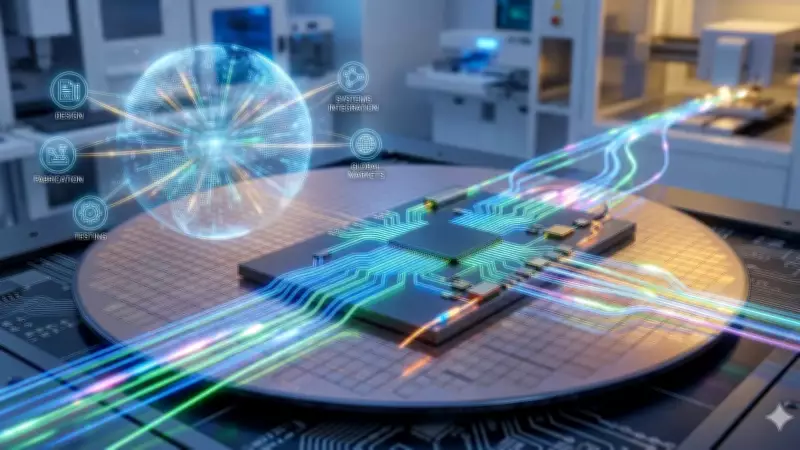
The silicon photonics PDK, a foundational tool for chip design, comprises over 50 verified components, enabling domestic capability in designing advanced photonic integrated circuits. Meanwhile, the universal programmable photonic integrated circuit (PPIC) test engine is an automated platform designed for characterisation of photonic and optoelectronic modules across various applications.
Calling the development a major milestone for India's technology sovereignty, Krishnan said the country's capabilities in silicon photonics are now matching global state of the art. However, he stressed the need to complement design advances with manufacturing infrastructure. This needs to be complemented with establishment of a silicon photonics fab under the India Semiconductor Mission, he said.
Sinha noted that the technology holds potential across both classical and quantum domains, adding that it could be supported under the proposed ISM 2.0 framework focused on research and development. He indicated that, subject to industry participation and commercial validation, India could move toward setting up a dedicated silicon photonics fabrication facility with integrated packaging capabilities.
According to Prof Bijoy Krishna Das, chief investigator of the centre, the next phase will enable multi-project wafer (MPW) fabrication runs from the third quarter of the current financial year, alongside integrated testing, packaging, and module characterisation services.
The centre follows a product research, development, and manufacturing (PRDM) model based on CMOS-compatible silicon photonics technology, with Malaysia's SilTerra as the foundry partner and Bengaluru-based izmo Microsystems supporting packaging.
The launch comes amid India's broader push to build domestic capabilities across the semiconductor value chain, with photonics emerging as a critical frontier for high-speed computing, communications, and next-generation technologies.