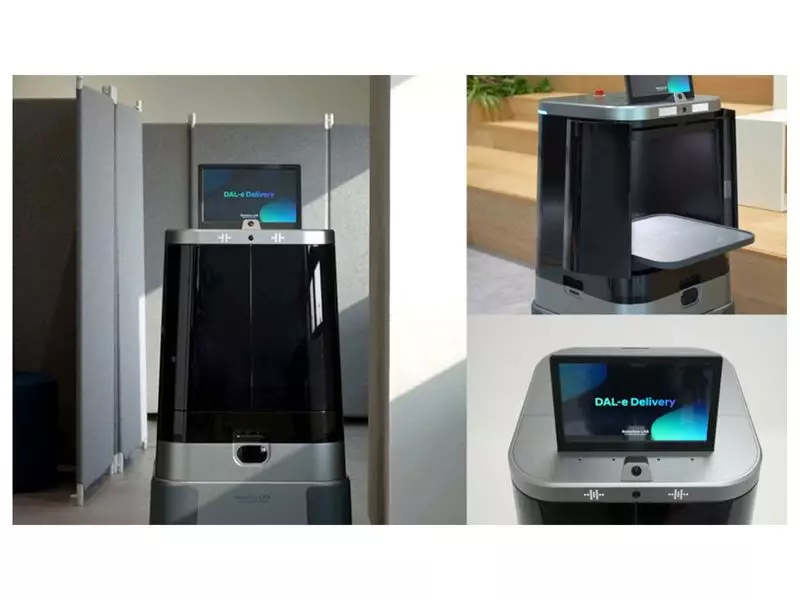
In a major strategic push into the future of smart technology, Hyundai Motor Group has taken the wraps off its internally developed artificial intelligence semiconductors, designed specifically for next-generation robotics. The grand unveiling happened at the Consumer Electronics Show (CES) 2025 in Las Vegas, marking a pivotal step in the automotive giant's journey beyond traditional car manufacturing.
From Concept to Silicon: The Core of Hyundai's AI Ambition
The newly revealed chips are not generic processors; they are purpose-built for the demanding computational needs of advanced robots. This initiative is spearheaded by the group's research and development headquarters, Supernal, and its Software Defined Everything (SDx) research center. The development signifies Hyundai's commitment to vertical integration, aiming to control the core silicon that will power its future mobility and robotics ecosystem.
By 2026, Hyundai plans to commence mass production of these AI chips at its own dedicated semiconductor foundry. This ambitious timeline underscores the project's high priority within the conglomerate. Establishing an in-house foundry is a complex and capital-intensive endeavor, typically undertaken by specialized chipmakers. Hyundai's move signals its intent to secure a reliable supply of cutting-edge chips, reducing dependency on external suppliers and potentially tailoring the hardware precisely to its software needs.

Powering the Vision of Smart Mobility and Robotics
The introduction of proprietary AI chips is a cornerstone of Hyundai's broader "smart mobility" vision. This vision extends far beyond electric vehicles to encompass a fully integrated ecosystem of autonomous transportation, advanced robotics for logistics and services, and even urban air mobility (UAM) solutions. High-performance, efficient AI processors are the brains required to make these autonomous and semi-autonomous systems function safely and effectively in real-world environments.
By developing chips in-house, Hyundai can optimize them for specific tasks like real-time sensor data processing, complex decision-making algorithms, and energy-efficient operation—all critical for robots and self-driving vehicles. This technological leap is expected to enhance the capabilities of Hyundai's robotic products, including those from its Boston Dynamics subsidiary, known for its agile and innovative robots like Spot and Atlas.
Strategic Implications and Industry Impact
Hyundai's announcement places it among a growing list of global automotive and tech giants, like Tesla and NVIDIA, who are investing heavily in custom silicon for AI applications. The decision to build a foundry by 2026 highlights the long-term strategic importance the group places on semiconductors, which have become as crucial as mechanical components in modern smart machines.
This move has several potential consequences. Firstly, it could accelerate innovation within Hyundai's robotics and mobility divisions by shortening the development cycle between software and hardware. Secondly, it mitigates risks associated with global chip shortages, which have severely disrupted the automotive industry in recent years. Finally, it positions Hyundai not just as a manufacturer, but as a serious technology developer in the competitive fields of AI and automation.
The reveal at CES, a global stage for technological innovation, was a clear statement of intent. Hyundai is not merely adapting to the future of transportation and robotics; it is actively seeking to build and control the fundamental technologies that will define it. The success of its foundry plans and the performance of its bespoke AI chips will be key factors to watch as the 2026 deadline approaches.