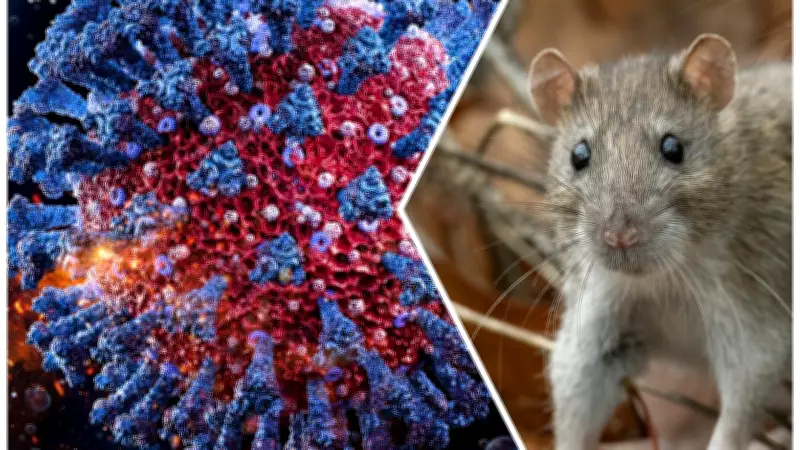
Recent reports of a Hantavirus outbreak have sparked concerns reminiscent of the COVID-19 pandemic, but health experts emphasize that the two diseases are fundamentally different in transmission and impact. While Hantavirus is indeed a serious illness with a high mortality rate, it is unlikely to trigger a global crisis on the scale of COVID-19.
Transmission Differences
The primary reason for this distinction lies in how the virus spreads. Hantavirus is primarily transmitted to humans through contact with rodent urine, droppings, or saliva, or through inhalation of aerosolized particles from these materials. In contrast, COVID-19 spreads efficiently via respiratory droplets and aerosols from person to person, enabling rapid community transmission.
Human-to-human transmission of Hantavirus is extremely rare, with only isolated cases reported, such as the 1996 outbreak in Argentina involving a specific strain. This makes large-scale outbreaks less likely unless there is widespread rodent infestation.

Severity and Symptoms
Both diseases can cause severe respiratory illness, but Hantavirus often leads to Hantavirus Pulmonary Syndrome (HPS), which has a fatality rate of around 38%. COVID-19, while deadly, has a lower overall mortality rate, especially with vaccines and treatments now available. Symptoms of Hantavirus include fever, muscle aches, and shortness of breath, progressing rapidly to respiratory failure.
Public Health Response
Health authorities are monitoring the situation closely, but the focus remains on rodent control and public awareness. Unlike COVID-19, which required lockdowns and mass vaccination campaigns, Hantavirus outbreaks can be managed through environmental hygiene and avoiding contact with rodents.
Experts advise the public not to panic, as the risk of a pandemic is minimal. However, individuals in affected areas should take precautions such as sealing homes, storing food properly, and wearing masks when cleaning rodent-infested spaces.
In summary, while Hantavirus is a serious health threat, its transmission dynamics are fundamentally different from COVID-19, making a similar global outbreak highly unlikely.