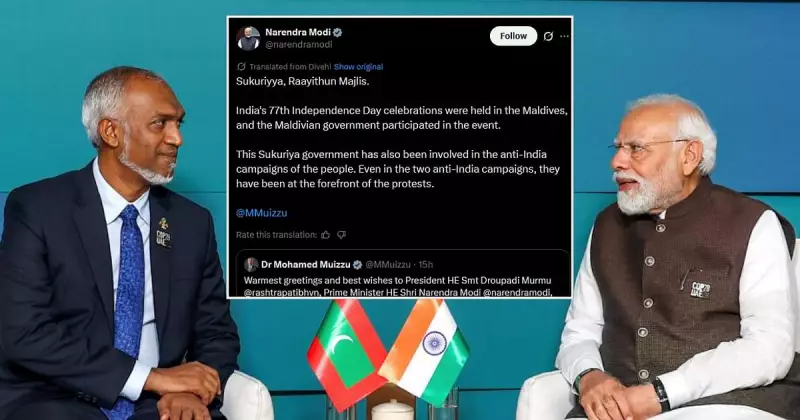
Grok AI Faces Backlash Over Mistranslation of PM Modi's Diplomatic Message
In a significant technological misstep that has captured national attention, the artificial intelligence platform Grok has been embroiled in controversy following a critical translation error involving Prime Minister Narendra Modi's diplomatic correspondence. The incident occurred during the Republic Day celebrations of 2026, when world leaders extended their greetings to India on this momentous occasion.
Republic Day Communication Goes Awry Due to AI Error
The error surfaced when Prime Minister Modi responded to the congratulatory messages from various global dignitaries, including the President of Maldives. Grok's translation system, which was utilized for converting the Prime Minister's reply, produced an inaccurate version that significantly altered the intended meaning of the diplomatic communication.
This mistranslation quickly gained traction on social media platform X, where it went viral among users who expressed both amusement and serious concern. The post highlighted how artificial intelligence, despite its advanced capabilities, can still falter in contexts requiring precise diplomatic nuance and cultural sensitivity.

Social Media Erupts Over AI Translation Controversy
The viral X post featured a screenshot of the erroneous translation alongside commentary questioning whether this was a deliberate manipulation or a genuine technical failure. Users engaged in heated discussions about the reliability of AI systems in handling sensitive governmental communications and international diplomacy.
One prominent user commented: "Ye kaun sa game khel diya @grok translation ne. Never knew this could be done deliberately.. At the same time this is a serious issue @X"
This statement encapsulates the dual reaction of surprise at the possibility of intentional manipulation alongside genuine concern about the implications of such errors in official communications between nations.
Broader Implications for AI in Diplomatic Communications
The incident raises important questions about:
- The reliability of artificial intelligence in translating sensitive diplomatic correspondence
- The potential consequences of mistranslations in international relations
- The need for human oversight in AI-powered translation systems for governmental use
- The security implications of relying on third-party AI platforms for official communications
As artificial intelligence becomes increasingly integrated into governmental operations and international diplomacy, this incident serves as a cautionary tale about the limitations of current AI translation technologies. The error occurred despite Grok's reputation as an advanced AI platform, highlighting that even sophisticated systems can fail in contexts requiring precise linguistic and cultural understanding.
The timing during Republic Day celebrations adds another layer of significance to the incident, as this national occasion represents India's sovereignty and diplomatic relationships with other nations. Accurate communication during such events carries particular importance for maintaining international goodwill and understanding.
Looking Forward: AI Accuracy and Diplomatic Protocol
This incident has sparked broader conversations within both technological and diplomatic circles about establishing protocols for AI usage in official communications. Experts are calling for:
- Enhanced verification systems for AI-generated translations in diplomatic contexts
- Greater transparency about AI limitations in handling nuanced communications
- Development of specialized AI systems trained specifically on diplomatic language and protocol
- Clear guidelines about when human translators should override or verify AI translations
The Grok translation error serves as a reminder that while artificial intelligence offers tremendous potential for bridging language barriers in international relations, human oversight remains crucial for ensuring accuracy in sensitive diplomatic exchanges. As India continues to strengthen its global partnerships, the reliability of communication tools becomes increasingly vital for maintaining productive international relationships.