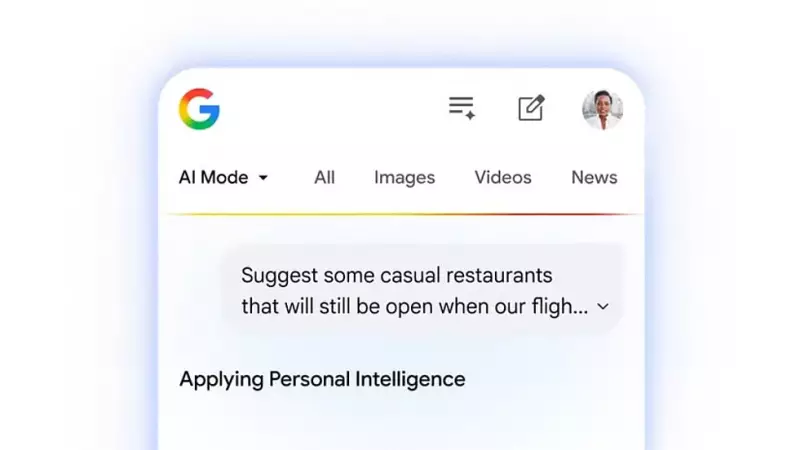
In a significant development for digital search technology, Google has announced that its AI Mode within Google Search is set to offer more personalized responses to user queries. This enhancement aims to tailor search results more closely to individual preferences and interaction patterns, potentially revolutionizing how users access information online.
How Google's AI Mode Achieves Personalization
The tech giant has clarified that the personalization in AI Mode is driven primarily by users' queries and their preferences when interacting with the AI system. This means the AI learns from the questions users ask and how they engage with the responses, allowing it to refine and customize future answers to better meet individual needs.
Privacy Safeguards in AI Training
Importantly, Google has emphasized that it is not training the AI Mode based on users' personal information stored in other services such as Gmail and the Photos app. This distinction addresses privacy concerns by ensuring that sensitive personal data from these applications remains separate from the AI's learning process for search queries.

The approach focuses on behavioral data from search interactions rather than personal content, aiming to balance personalization with user privacy. This method allows the AI to understand context and preferences without accessing private communications or media, maintaining a boundary between search functionality and personal data storage.
Implications for Search Experience
This development represents a shift towards more intuitive and responsive search experiences, where AI can anticipate user needs based on past interactions. By leveraging generative AI technologies like Gemini, Google aims to make search results more relevant and helpful, potentially reducing the time users spend sifting through information.
The personalized responses could range from tailored recommendations and summarized answers to context-aware follow-up suggestions, enhancing the overall efficiency of information retrieval. As AI Mode evolves, it may set new standards for how search engines understand and respond to complex queries in real-time.
This announcement underscores Google's ongoing commitment to integrating advanced artificial intelligence into its core products while navigating the delicate balance between innovation and user privacy. The tech community will be watching closely to see how these personalized features roll out and impact daily search habits globally.