From Human Machines to Machine Humans: The Evolution of Productivity
Efficiency and productivity emerged as the twin gods of industrialization, and these two words spread through society faster than office gossip. This phenomenon has fundamentally reshaped how we work, live, and interact with technology.
The Rise of Industrial Ideals
During the industrial revolution, the concepts of efficiency and productivity became paramount. Factories optimized every process to maximize output while minimizing waste and time. This mindset quickly permeated beyond factory walls, influencing business practices, education systems, and even personal habits.
The pursuit of these ideals transformed humans into what some critics called "human machines" – individuals trained to perform repetitive tasks with clockwork precision, often at the expense of creativity and personal fulfillment.

From Workplace to Society
The spread of efficiency and productivity values occurred with remarkable speed. Like office gossip that travels through corridors in minutes, these concepts became embedded in:
- Corporate culture with performance metrics and optimization strategies
- Educational systems focusing on measurable outcomes and standardized testing
- Personal development trends emphasizing time management and life hacks
- Technological design prioritizing user efficiency above all else
This cultural shift created a society where productivity became not just an economic measure, but a moral virtue and personal identity marker.
The Machine Human Transformation
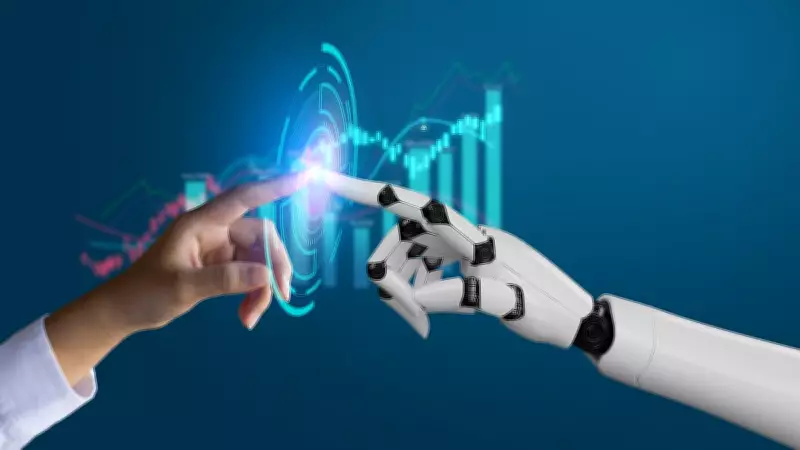
As technology advanced, a fascinating reversal began to occur. Rather than humans adapting to be more machine-like, machines started becoming more human. This transition marks what some theorists call the era of "machine humans."
Modern developments include:
- Artificial intelligence systems that learn and adapt like human minds
- Robotics with emotional intelligence capable of reading human expressions
- Biometric integration where technology responds to biological signals
- Predictive algorithms that anticipate human needs before we articulate them
This evolution represents a complete cycle: from humans engineered for machine-like efficiency to machines designed with human-like capabilities.
The Contemporary Landscape
Today, we exist in a hybrid space where the boundaries between human and machine continue to blur. Productivity tools now include AI assistants that schedule our lives, while efficiency metrics track everything from sleep patterns to social interactions.
The original industrial ideals have evolved into something more complex – a symbiotic relationship where human creativity enhances machine capabilities, and machine precision amplifies human potential. This ongoing transformation raises important questions about what it means to be productive in an age where machines can outperform humans in many traditional measures of efficiency.
The journey from human machines to machine humans continues to unfold, with each technological advancement rewriting our understanding of productivity's role in human society.