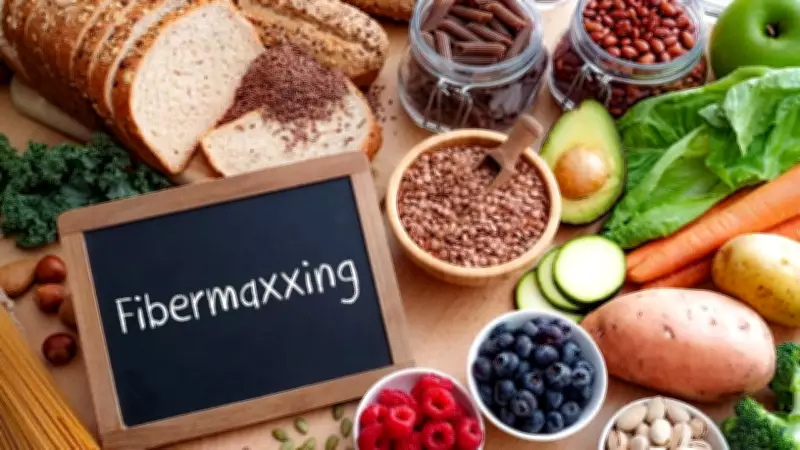
After months of obsession over high-protein diets, the wellness spotlight is shifting toward fiber — a nutritional trend that has real merit. But, like most wellness fads, it is not all good news. Dr Saurabh Sethi, a gastroenterologist trained at Stanford and Harvard, thinks fibremaxxing is great, but also cautions against the common mistakes people make while jumping on this bandwagon.
Why Fiber Deserves the Spotlight
Though people today are aware of the importance of having adequate protein in their diets, most turn a blind eye to fiber. The California-based doctor is absolutely thrilled that fiber is finally getting the attention it deserves. “Fibremaxxing is exploding online. And honestly? As a gastroenterologist, I’m glad people are finally paying attention to fiber. Because most adults are severely under-consuming it,” Dr Sethi said in a recent newsletter. However, just like most nutrition trends, there are also pitfalls that most people hardly realise. “More is not always better,” the doctor shares.
Benefits of Fibremaxxing
Turns out, your mum was right about eating more whole plant foods. They’re your primary source of fiber — a nutrient your body simply can’t do without. Dr Sethi explains the benefits of fiber:

- Better gut health: Fiber feeds beneficial gut bacteria, helping support digestion, bowel regularity, and microbiome diversity.
- Improved fullness: High-fiber meals can help people feel fuller for longer, which may reduce overeating and constant snacking.
- Stabilises blood sugar: Fiber slows digestion and may reduce rapid glucose spikes after meals.
- Better cholesterol support: Certain fibers, especially soluble fibers, can help support healthy cholesterol levels.
Fiber Helps You in the Long Run
The long-term health implications are equally compelling. Dr Sethi emphasises that higher fiber intake is associated with lower risks of the following conditions:
- Colon cancer
- Cardiovascular disease
- Fatty liver disease
- Metabolic dysfunction
Cons of Fibremaxxing
While fiber is essential for your body, Dr Sethi also cautions against the mistakes most people make. The most common mistake? Increasing fiber too quickly. Adding too much fiber, too fast, can lead to bloating. “This is the biggest mistake I see. If you suddenly jump from 10g to 40g daily, your gut will notice. Gas, bloating, abdominal discomfort, and changes in bowel habits are common,” he explains.
Don’t Go Overboard on Raw Foods
Similarly, in the pursuit of getting adequate fiber, most people go overboard on raw foods, which can worsen the condition. “Huge salads, raw cruciferous vegetables, and excessive fiber bars can worsen symptoms in sensitive guts,” the doctor explains. This becomes problematic, especially in people with conditions like irritable bowel syndrome (IBS), chronic bloating, or SIBO tendencies. Also, taking fiber without water can backfire. “Fiber needs hydration. Without enough fluids, constipation can actually worsen,” the doctor adds.
Don’t Fall for the ‘High-Fiber’ Marketing Traps
Dr Sethi also warns against processed ‘high-fiber’ marketing. You might find products promising to give you more fiber in the aisles of your grocery store, but you should be aware of what you are actually buying. “Many processed snacks market themselves as ‘high fiber’ while still being ultra-processed foods. Adding isolated fiber to junk food doesn’t automatically make it healthy,” the doctor reminds.
Dr Sethi’s Recommendation
Dr Sethi warns against aggressively ‘fibremaxxing.’ Rather than chasing record fiber numbers, he suggests a practical approach. Here are some recommendations from the gastroenterologist:
- Increasing fiber gradually
- Prioritising whole foods
- Eating a diversity of plant foods
- Staying hydrated
- Paying attention to your own symptoms
Foods High in Fiber
The Harvard-trained doctor also suggested some foods that are excellent sources of fiber:

- Berries
- Chia seeds
- Lentils
- Beans
- Oats
- Pistachios
- Vegetables
- Slightly green bananas
The Bottom Line
Fiber is essential for your body, and according to Dr Sethi, most people need more fiber. “But your gut is not a competition. The goal is not to eat as much fiber as possible. The goal is to find the amount your body consistently tolerates and benefits from. Trust your gut,” he says.