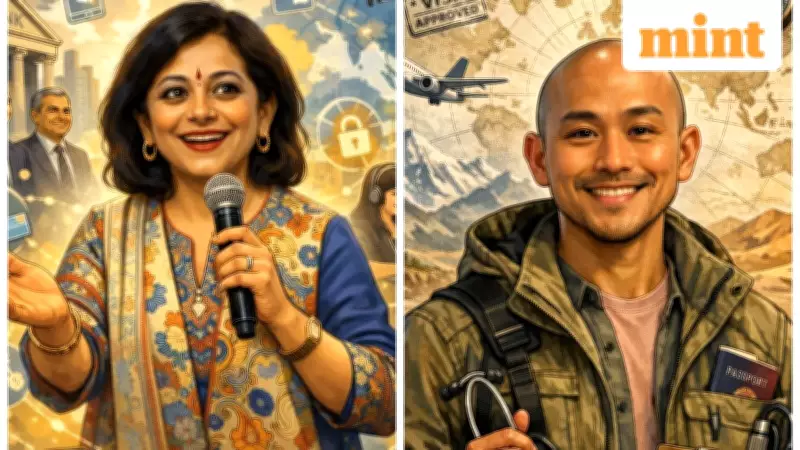
ChatGPT Caricature Trend Sweeps Social Media with Personalized AI Portraits
A fascinating new social media phenomenon is captivating users across platforms like X and Instagram, as people transform themselves into cartoon versions using artificial intelligence. The trend leverages ChatGPT to generate highly personalized caricatures that often astound users with their accuracy in depicting professions, hobbies, and even subtle personality traits.
The Viral Prompt Behind the AI Art Movement
The magic begins with a deceptively simple prompt: "Create a caricature of me and my job based on everything you know about me." This instruction unlocks a world of creative possibilities, resulting in stylized portraits that go beyond mere facial exaggeration to construct elaborate narrative backgrounds.
These AI-generated images frequently feature screens overflowing with code, intricate graphs, specialized editing software, books with oddly specific titles, national flags, coffee mugs, and even fantasy football statistics. What makes this trend particularly compelling is how the caricatures often reference personal details from users' previous conversations with ChatGPT, creating an uncanny impression that the artificial intelligence truly understands them on a deeper level.

Why This Trend Stands Out from Traditional Caricature Apps
While caricature applications have existed for years, this viral movement distinguishes itself through its personalized contextual layer. Unlike simple selfie-to-cartoon transformations, this ChatGPT-powered approach incorporates meaningful context from users' chat histories—at least when accessed through their OpenAI accounts.
This innovative twist has sparked widespread fascination among social media users. For many participants, the trend represents a playful yet powerful demonstration of how generative artificial intelligence can synthesize scattered data points into coherent narratives about individual identities. The process feels like technological magic as AI weaves together professional details, personal interests, and conversational history into visually compelling portraits.
The Privacy Paradox: Personalization Versus Digital Footprints
Beneath the surface enthusiasm lies a significant irony that reflects our complex relationship with artificial intelligence. The very feature that makes these caricatures feel remarkably personal—the AI's ability to recall and incorporate contextual information—simultaneously raises persistent concerns about data privacy and digital footprints.
The conversation has evolved beyond whether artificial intelligence can create accurate visual representations to include questions about how much these systems remember about users. This privacy paradox adds a thought-provoking dimension to what might otherwise appear as simple digital entertainment, highlighting the trade-offs between personalized experiences and data security in our increasingly AI-driven world.
How Users Are Creating Their AI Caricatures
To participate in this viral trend, users typically follow a straightforward process that begins with logging into their OpenAI accounts. This crucial step allows ChatGPT to reference prior chat context for more tailored and personalized results. Participants then upload clear, well-lit photographs of themselves before refining their prompts with specific details about their professions, daily routines, or personal interests.
Many users experiment with different tones and styles—requesting dramatic, humorous, or corporate-polished interpretations—and continuously tweak their instructions until the output feels authentically representative. Once satisfied with their AI-generated caricatures, participants download and share their creations across social media platforms, contributing to the trend's exponential growth.
Beyond Caricatures: Alternative Creative AI Prompts
For those seeking fresh alternatives as the caricature trend matures, several creative prompts can push artificial intelligence image generation in new directions:

Instead of requesting traditional portraits, ask the AI to visualize your mental workspace with this prompt: "Generate a hyper-detailed photograph of what you imagine my desk looks like right now. Fill it with clues about my job and my bad habits." This approach works best when users have shared sufficient contextual information about their routines and professions.
Ultra-Realistic Documentary StyleDouble down on realism by blurring the line between imagination and documentary photography. The same desk visualization prompt can yield subtle storytelling elements—coffee stains, sticky notes, half-finished projects—that hint at personality through realistic details rather than caricature exaggeration.
Future Predictor IllustrationTurn the creative lens forward with this imaginative prompt: "Create a retro-futuristic 1950s magazine cover illustration predicting what my life will look like in the year 2050, based on my current trajectory." This style blends nostalgic aesthetics with speculative futurism, often producing dramatic and tongue-in-cheek results.
Spirit Animal InterpretationMove beyond traditional self-portraits by letting artificial intelligence interpret you symbolically. Try this prompt: "Create a hybrid creature that is my 'spirit animal', combining elements of my job style and lifestyle habits into one beast." This approach typically generates playful, surreal outputs that blend professional and personal elements into entirely imaginative creations.
As artificial intelligence continues to evolve, these creative applications demonstrate how technology can serve as both entertainment and artistic tool, while simultaneously raising important questions about privacy, personalization, and the nature of digital identity in our increasingly connected world.