Anthropic CEO Dario Amodei Issues Stark Warning on AI Chip Exports to China
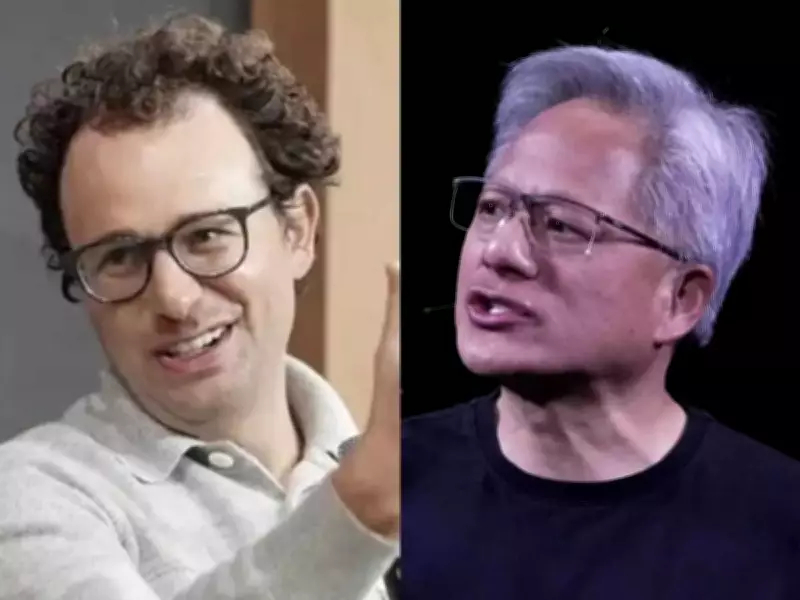
In a recent interview on the Dwarkesh Patel podcast, Anthropic CEO Dario Amodei strongly reiterated his opposition to the sale of advanced artificial intelligence chips to China. Amodei emphasized that the United States must maintain its computational advantage by restricting such exports, directly challenging the stance of Nvidia CEO Jensen Huang, who has been actively lobbying Washington to ease these restrictions for months.
Amodei's Blunt Critique: AI Chips as National Security Assets
Amodei did not hold back in his criticism, stating unequivocally that the US should avoid building data centers in China or shipping AI chips there. He described AI models powered by these chips as "essentially cognition, essentially intelligence," arguing that they represent a critical national security chokepoint rather than a mere trade commodity. His perspective is clear: while the US should share medical cures and support pharmaceutical industries globally, it must keep data centers and chips out of authoritarian hands to prevent misuse.
He even proposed a novel idea: developing AI tools that could protect citizens in authoritarian countries from government surveillance, acting as a personalized digital shield. Although Amodei admitted uncertainty about its feasibility, he expressed genuine interest in exploring this concept as a means to safeguard individual freedoms.

Historical Context and Escalating Tensions
This is not the first time Amodei has criticized Nvidia's ambitions in China. At the Davos forum last month, he compared selling H200 chips to China to "selling nuclear weapons to North Korea and bragging that Boeing made the casings." In the podcast, he escalated his warnings, suggesting that if both the US and China achieve equally powerful AI systems, it could lead to a standoff more perilous than nuclear deterrence. He explained that unlike nuclear weapons, where mutually assured destruction ensures stability, rival AI superpowers might each believe they could win a direct confrontation, fostering mutual overconfidence that historically triggers conflicts.
Amodei also highlighted the risk of offensive cyber dominance, where one side's AI could render all computer systems transparent unless countered by equally robust defenses. This underscores his view that AI technology must be tightly controlled to prevent global instability.
Reframing the AI Export Debate: Beyond Economic Gains
Amodei reframed the discussion around AI exports, focusing on broader societal impacts rather than short-term revenue. He predicted that economic growth from AI will come "faster than we can take it," but the real challenge will be distributing this wealth fairly and protecting political freedoms in a world where authoritarian regimes could weaponize AI against their populations.
To address this, he proposed building data centers in regions like Africa and fostering AI-driven industries such as biotech outside the Western world. This approach aims to spread the benefits of AI without empowering authoritarian governments with full control over the technology stack. Amodei went as far as to suggest that dictatorships might become "morally obsolete" not through overthrow, but because AI technology could render such governance models unworkable, though he acknowledged this might be optimistic.
The Intensifying Rivalry Between Anthropic and Nvidia
The conflict between Amodei and Huang adds a layer of intrigue to this policy debate. Despite Nvidia investing over $10 billion in Anthropic, Amodei continues to publicly oppose Nvidia's key policy objectives. Huang has accused Amodei of advocating for stricter AI regulation primarily to benefit Anthropic's competitive position. He has also dismissed Amodei's warnings about AI eliminating half of entry-level white-collar jobs as self-serving fear-mongering.
This feud has been ongoing for nearly a year, with both leaders showing no signs of backing down. Their disagreement highlights a fundamental split in the AI industry over how to balance technological advancement with global security and ethical considerations.

As the debate over AI chip exports heats up, Amodei's warnings serve as a stark reminder of the high stakes involved in shaping international AI policy. His calls for caution and strategic control reflect growing concerns about the potential misuse of advanced technology in an increasingly polarized world.