Artificial intelligence can craft flawless sentences with ease. It generates text that is grammatically perfect and structurally sound. Yet, a critical question arises: can AI truly tell a human story? The answer, according to insights from Rachna Chhabria, leans towards a resounding no.
The Irreplaceable Human Voice in Writing
Readers often choose books based on an author's distinct writing voice. This voice is a blend of personal experiences, emotions, and unique perspectives. It reflects the writer's soul and creativity. No matter how advanced AI becomes, it struggles to mimic this deeply human element.
Why AI Falls Short in Storytelling
AI systems rely on data patterns and algorithms. They analyze vast amounts of text to produce coherent content. However, they lack genuine emotions and lived experiences. This absence makes their stories feel mechanical and impersonal. Human authors, in contrast, infuse their narratives with authenticity and passion.

Chhabria highlights that AI may be savvy in technical tasks. It can assist with editing or generating ideas. But replicating the nuanced voice of a human storyteller remains beyond its reach. Readers connect with stories that resonate on a personal level. AI-generated content often fails to achieve this connection.
The Future of AI and Human Collaboration
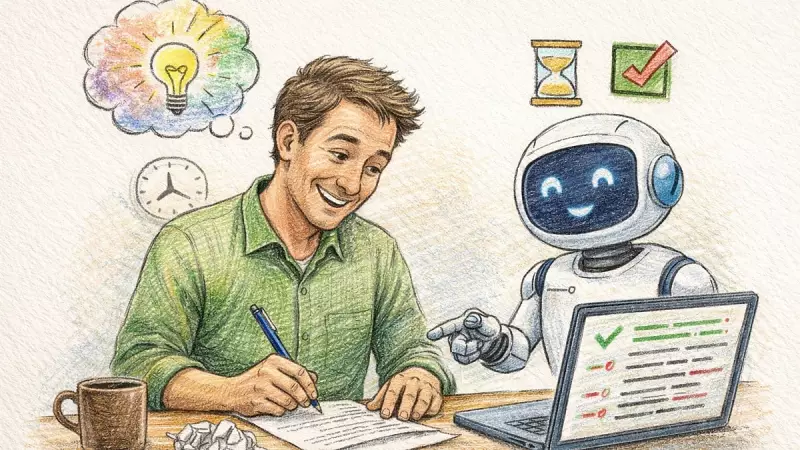
While AI cannot replace human authors, it can serve as a valuable tool. Writers might use AI for brainstorming or overcoming writer's block. The key is to leverage technology without losing the human touch. The essence of storytelling lies in its ability to evoke empathy and understanding.
In summary, AI writes perfect sentences, but storytelling requires more. It demands a voice that only humans can provide. As technology evolves, the unique bond between authors and readers will likely remain unchallenged by machines.