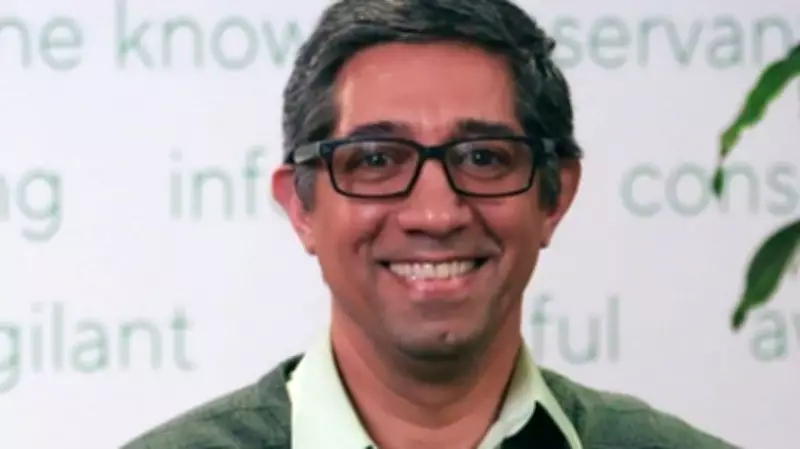
AI Not Going to Eliminate Us; We'll Do More and Be Busier: Cognizant's Babak Hodjat
In a compelling statement that challenges common fears about artificial intelligence, Babak Hodjat, a renowned AI pioneer at Cognizant, has asserted that AI is not poised to eliminate human jobs. Instead, he predicts that this transformative technology will make people busier and more engaged in their work, echoing historical patterns of technological advancement.
Counterintuitive Insight from an AI Expert
Hodjat acknowledged that his perspective might seem counterintuitive to many who worry about automation replacing human roles. However, he drew parallels with past technological breakthroughs, such as the industrial revolution or the advent of computers, which initially sparked similar concerns. "Each time a technology like this has come along that made us more productive, it also made us busier," Hodjat explained, emphasizing that increased efficiency often leads to expanded responsibilities and new tasks rather than redundancy.
Historical Context and Future Implications
Reflecting on history, Hodjat highlighted how innovations have consistently reshaped the workforce without causing mass unemployment. For instance:

- Productivity Gains: Technologies like assembly lines or software tools boosted output but created demand for more complex and creative work.
- Job Evolution: Roles have adapted over time, with humans focusing on higher-value activities that machines cannot easily replicate, such as strategic thinking and interpersonal skills.
- Economic Growth: Enhanced productivity typically drives economic expansion, opening up new industries and opportunities that keep people employed and active.
In the context of AI, Hodjat suggested that this pattern will repeat itself. As AI handles routine and data-intensive tasks, humans will likely take on more supervisory, innovative, and collaborative roles, leading to a busier, not idle, workforce.
Broader Impact on Business and Society
Hodjat's insights carry significant implications for businesses and policymakers. He urged organizations to embrace AI as a tool for augmentation rather than replacement, investing in upskilling employees to thrive in an AI-enhanced environment. "The key is to leverage AI to handle mundane aspects, freeing up human talent for more meaningful contributions," he noted, predicting that this shift could lead to greater job satisfaction and economic resilience.
Moreover, he addressed societal concerns by pointing out that technological progress has historically raised living standards and created new forms of work. By preparing for this transition, societies can mitigate disruptions and harness AI's potential for positive change, ensuring that people remain productive and engaged in the evolving digital landscape.