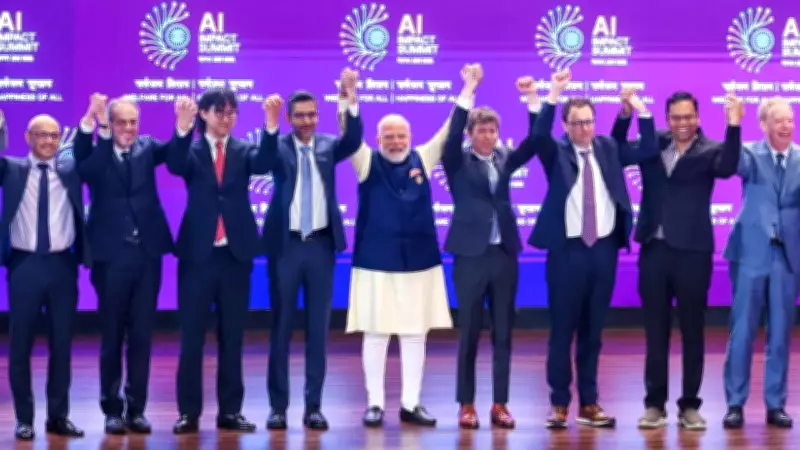
India AI Impact Summit 2026 Wraps Up with Historic Global Consensus on Artificial Intelligence
The landmark India AI Impact Summit 2026 concluded in New Delhi on Friday, marking the end of a five-day event that brought together dozens of world leaders, ministers, and technology experts to forge a unified stance on managing artificial intelligence. As the largest gathering of its kind and the first hosted in a developing country, the summit has set a new benchmark for international cooperation in the rapidly evolving AI landscape.
Global Leaders Unite for Ethical AI Development
At the summit's closing sessions, global leaders emphasized the urgent need for AI regulation and equitable access to technology. Prime Minister Narendra Modi underscored that AI must serve the "global common good," while UN Secretary-General Antonio Guterres advocated for a $3 billion global fund to expand AI skills and computing access worldwide. The event drew tens of thousands of participants, including major tech CEOs, and featured significant investment announcements, reinforcing India's ambition to emerge as a key player in global AI governance.
Warnings and Calls for Oversight from Industry Leaders
OpenAI CEO Sam Altman issued a stark warning during the summit, highlighting the dangers of centralizing AI power in the hands of any single firm or nation. He stressed the necessity for urgent safeguards to prevent potential societal and planetary perils, while cautioning against overregulation that could stifle innovation. Other speakers, such as L&T Semiconductor Technologies Ltd CEO Dr. Sandeep Kumar, echoed concerns about AI's dark side, particularly in cybersecurity, where AI tools can accelerate hacking efforts and quantum computing poses future threats.

International Collaboration and Strategic Partnerships
The summit also spotlighted deepening international ties, with French President Emmanuel Macron concluding his India visit by praising the country's digital transformation as a global gold standard. He highlighted the India-France strategic partnership, now at its "highest point" for tech and innovation. Additionally, RUSSOFT President Valentin Makarov emphasized the enduring India-Russia partnership in emerging technologies, calling for trust and collaboration to build new centers of competence and expand markets.
Controversies and Challenges Amid Progress
Despite the summit's successes, it faced criticism, such as from Congress leader Gurdeep Singh Sappal, who branded the event a "school-level science exhibition" following a robodog blunder involving Galgotias University. The incident, where a Chinese-made robodog was misrepresented as homegrown tech, led to the stall's shutdown and government vows of zero tolerance for misinformation. Meanwhile, Sri Lankan President Anura Kumara Dissanayake called for a balanced approach to technological advancement, reflecting broader discussions on job disruption, online harms, and environmental strains from data centers.
Looking Ahead: The Path Forward for AI Governance
As the summit concluded, leaders focused on articulating a collective approach to AI governance, with an emphasis on balancing innovation with oversight. While concrete pledges may remain limited, experts noted that establishing common language around risks and regulatory thresholds is a crucial first step. The final sessions aimed to prevent excessive centralization of AI power and shape frameworks that ensure technology benefits humanity at large, setting the stage for future global dialogues on AI ethics and cooperation.