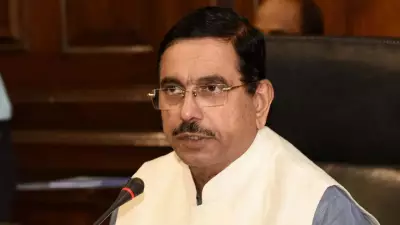
Artificial intelligence is fundamentally reshaping the global job market, creating new opportunities while also displacing traditional roles. According to the founder of the Centre for Policy Research and Governance (CPRG), India must urgently focus on skill development to harness the potential of AI and mitigate its disruptive effects.
AI's Dual Impact on Employment
The rapid adoption of AI technologies is leading to a dual impact on employment. On one hand, AI is automating routine tasks, leading to job displacement in sectors like manufacturing, data entry, and customer service. On the other hand, it is creating new job categories in AI development, data science, machine learning, and AI ethics. The CPRG founder emphasized that while AI will eliminate some jobs, it will also generate many more, provided the workforce is equipped with the right skills.
India's Demographic Dividend at Risk
India, with its large and young population, stands at a critical juncture. The country's demographic dividend could turn into a liability if the workforce is not adequately trained for the AI-driven economy. The founder warned that without urgent upskilling initiatives, India risks losing its competitive edge and facing high unemployment among the youth.

Urgent Need for Policy Intervention
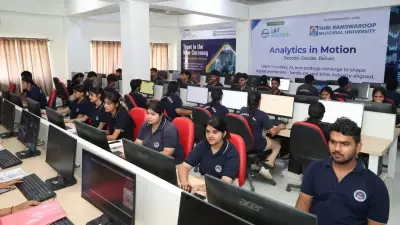
The CPRG founder called for comprehensive policy interventions to address the skills gap. This includes revamping the education system to incorporate AI and digital literacy from an early age, expanding vocational training programs, and fostering public-private partnerships for continuous learning. Additionally, the government should incentivize companies to invest in reskilling their employees.
Opportunities in the AI Era
Despite the challenges, AI presents immense opportunities for India. The country can become a global hub for AI innovation and services if it builds a skilled workforce. Sectors like healthcare, agriculture, education, and finance can benefit from AI-driven solutions, improving efficiency and accessibility.
Role of Industry and Academia
Industry and academia must collaborate closely to design curricula that meet the demands of the evolving job market. Internships, apprenticeships, and hands-on projects should be integral parts of education to provide practical exposure. The founder stressed that lifelong learning is no longer an option but a necessity.
Conclusion
The AI revolution is inevitable, and India must act swiftly to prepare its workforce. By prioritizing skill development and fostering a culture of innovation, India can not only mitigate job displacement but also emerge as a leader in the AI era. The time to act is now.