AI in Writing: Promise or Peril?
Artificial Intelligence is making big waves in the world of writing. Many people see it as a powerful tool that can help writers work faster and better. But others worry it might take away jobs or make writing less creative. This debate is heating up as AI tools become more common.
The Bright Side of AI for Writers
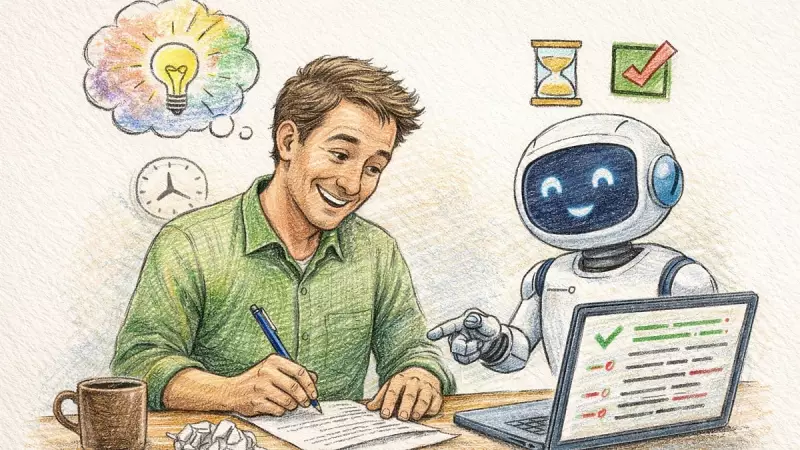
AI offers some clear benefits for writers. It can help with tasks like checking grammar, suggesting better words, and even generating ideas. This saves time and lets writers focus on the creative parts of their work. For example, AI can quickly draft emails, reports, or social media posts. This is especially useful for businesses that need lots of content fast.
In India, many startups and companies are using AI to improve their writing. They find it helps them produce more content without hiring extra people. This can be a big advantage in a competitive market.

The Dark Side: Risks and Concerns
However, AI in writing also brings risks. One major worry is job loss. If AI can write articles or reports, some human writers might find their roles disappearing. This is a real fear for freelancers and content creators who depend on writing for their income.
Another concern is creativity. Writing is not just about putting words together. It involves emotions, personal experiences, and unique styles. AI might produce text that sounds good, but it often lacks the human touch. Stories or articles written by AI can feel flat or repetitive.
There is also the issue of quality. AI tools can make mistakes or generate misleading information. Writers need to check AI-generated content carefully to ensure it is accurate and appropriate.
What Experts Say
Experts have mixed views on AI in writing. Some believe it is a helpful assistant that can boost productivity. They argue that AI will not replace human writers but will instead work alongside them. For instance, AI can handle routine tasks while humans tackle more complex projects.
Others are more cautious. They warn that over-reliance on AI could harm the quality of writing. They stress the importance of keeping human creativity at the center of content creation. In India, educators and writers are discussing how to use AI responsibly without losing the essence of good writing.
Looking Ahead
The future of AI in writing is still uncertain. It promises efficiency and new possibilities, but it also poses challenges. Writers and businesses need to find a balance. Using AI as a tool rather than a replacement might be the key.
As AI technology evolves, it will likely become even more integrated into writing processes. The goal should be to harness its power while preserving the human elements that make writing meaningful. This way, AI can be a promise rather than a peril for the world of words.