Artificial Intelligence (AI) is no longer a distant concept confined to research labs and tech conferences. It has quietly permeated everyday life, fundamentally reshaping how people work, communicate, learn, and make decisions. From smart recommendation engines on streaming platforms to tools that help write emails and analyze business data, AI is ubiquitous. Yet, despite its growing influence, public discourse around AI remains perplexingly obscure. Terms like "Artificial General Intelligence" (AGI) dominate headlines and debates, even though no such system exists. The chasm between AI's current capabilities and speculative future potential makes the subject intimidating for many.
Mustafa Suleyman's Definition of Power
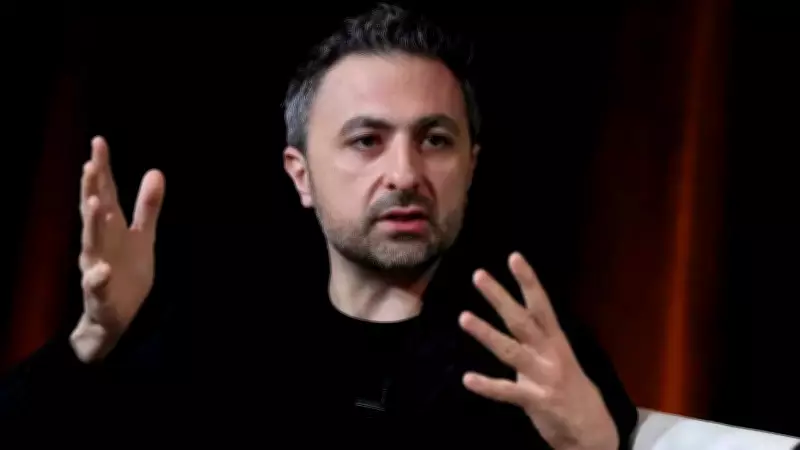
Mustafa Suleyman, CEO of Microsoft AI and co-author of The Coming Wave: AI, Power, and Our Future, offers a definition of power that, when juxtaposed with AI's trajectory, brings clarity. He states: "Power is the ability or capacity to do something or act in a particular way; to direct or influence the behavior of others or the course of events. It's the mechanical or electrical energy that underwrites civilization. The bedrock and central principle of the state."
What This Means for AI
On the surface, Suleyman's words describe power in its broadest sense—political or social. But applied to AI, they map perfectly onto its real-world impact. "The ability or capacity to do something or act in a particular way" reflects what AI systems are built for: they act, process, generate, analyze, and respond, often at speeds and scales unattainable by humans.

"To direct or influence the behavior of others or the course of events" captures what AI already does: influencing news consumption, purchasing decisions, medical diagnoses, and viral content. Beyond assisting decisions, AI increasingly shapes them.
"The mechanical or electrical energy that underwrites civilization" highlights AI's role as the operating layer beneath modern industry, government, healthcare, and finance. Just as electricity transformed society, AI is becoming infrastructure—the bedrock of civilization itself.
Suleyman is not merely defining power; he is describing where AI is headed and where it has already arrived. Power, by his measure, is visible in results, decisions, and outcomes. AI already wields considerable power.
Why AGI Debates Create Confusion
For years, AI discussions have centered on AGI—a hypothetical system capable of any human intellectual task. While compelling, AGI is entirely theoretical. No such system exists, and its arrival is uncertain. The problem with framing public understanding around AGI is that it sets an unrealistic standard. It measures today's AI against a speculative future, making current capabilities seem preliminary. This is misleading. Today's AI systems are not rough drafts; they shape economies, influence information, assist in medical care, and transform industries. Suleyman's definition of power corrects this by focusing on what AI can do, how much it influences, and how dependent the world has become on it.
AI's Impact Across Industries
When power is defined as the capacity to act and influence outcomes, AI's role becomes clear. Consider its applications:

- Healthcare: AI analyzes medical scans, identifies patterns missed by radiologists, predicts patient deterioration, and accelerates drug discovery by modeling molecular interactions.
- Finance: AI monitors transactions in real-time, flags fraud within milliseconds, manages investment portfolios, assesses credit risk, and influences capital access.
- Media & Communication: AI algorithms power social media feeds, news aggregators, and video recommendations, shaping public opinion, consumer behavior, and political views on a massive scale.
- Government & Public Administration: AI processes applications, manages logistics, and in some countries, assists in law enforcement and surveillance, raising questions about civil liberties and democratic governance.
A Shift in AI Discourse
Public conversation about AI is evolving. Previously dominated by speculation about superintelligence and existential risk, it is now grounded in discussions about AI's current impact on economies, institutions, and individuals. Suleyman's perspective has driven this shift by emphasizing real-world capability over hypothetical potential. By focusing on what AI does rather than what it might become, he has made the conversation more useful and honest.
About the Author
The TOI Tech Desk is a dedicated team of journalists committed to delivering the latest technology news, including gadget launches, reviews, trends, analysis, and breaking stories. Their coverage spans AI, cybersecurity, personal gadgets, and platforms like WhatsApp, Instagram, and Facebook, ensuring accuracy and authenticity.