Trust, Governance, and Security Emerge as Paramount Challenges in the AI Era
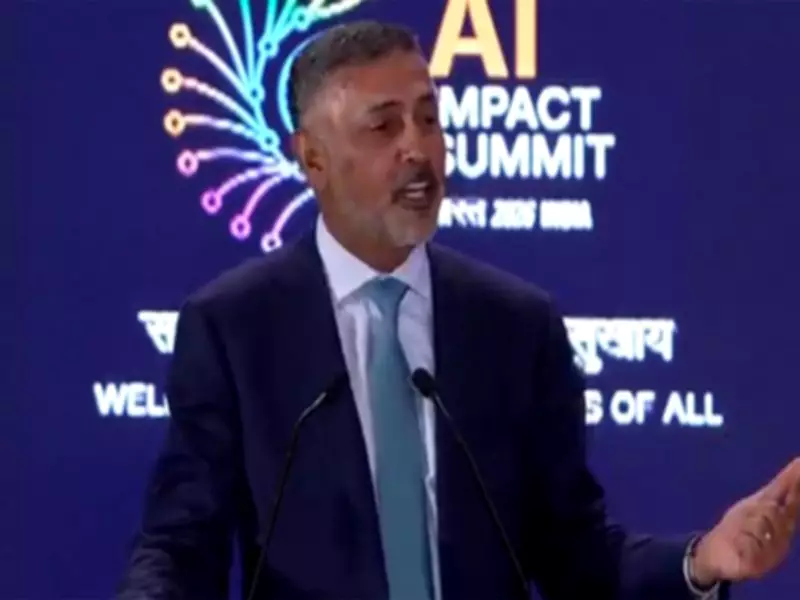
In a significant address, Nikesh Arora, the Chief Executive Officer of Palo Alto Networks, has underscored that trust, governance, and security constitute the foremost challenges confronting organizations as they navigate the rapidly evolving artificial intelligence landscape. His remarks come at a pivotal moment when AI technologies are being integrated across sectors, raising profound questions about ethical implementation and risk management.
The Triad of Critical Concerns in AI Deployment
Arora elaborated that establishing trust in AI systems is foundational, as these technologies increasingly influence decision-making processes in business, healthcare, and governance. Without robust trust mechanisms, adoption rates may stagnate, and public skepticism could hinder innovation. He emphasized that trust is not merely a technical issue but a multifaceted concern involving transparency, accountability, and reliability in AI outputs.
Governance, according to Arora, is equally critical. As AI systems become more autonomous, there is an urgent need for comprehensive governance frameworks to oversee their development and deployment. This includes setting clear ethical guidelines, regulatory standards, and oversight mechanisms to prevent misuse and ensure alignment with societal values. Arora pointed out that inadequate governance could lead to unintended consequences, such as bias in algorithms or privacy violations, which could erode public confidence.

Security: The Bedrock of AI Infrastructure
Security emerged as the third pillar in Arora's analysis. He warned that as AI systems handle vast amounts of sensitive data, they become prime targets for cyberattacks. Ensuring the security of AI infrastructure is paramount to protect against data breaches, manipulation of AI models, and other malicious activities. Arora highlighted that cybersecurity measures must evolve in tandem with AI advancements to safeguard against emerging threats, emphasizing that a breach in AI security could have catastrophic implications for organizations and individuals alike.
Arora's insights reflect a growing consensus among industry leaders that the AI era demands a holistic approach to these challenges. He called for collaborative efforts between technology companies, policymakers, and academia to develop solutions that balance innovation with responsibility. By addressing trust, governance, and security proactively, organizations can harness AI's potential while mitigating risks, fostering a more sustainable and ethical technological future.