Indian AI Engineer Leaves Microsoft US for Remote Role in India, Cites Life Transformation
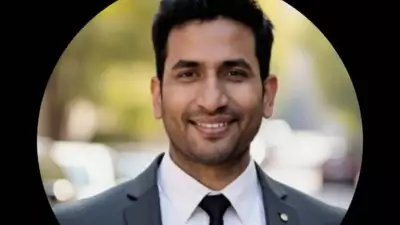
Ujjwal Chadha, an Indian-origin AI Engineering Lead, has made a significant career move by leaving his position as a Developer at Microsoft in the United States and returning to India for a remote role. He shared on social media platform X that this transition has profoundly changed his life for the better, emphasizing both financial and personal advantages.
The "PPP" Superpower: Financial Benefits of the Move
Chadha highlighted what he calls the "PPP" advantage, referring to Purchasing Power Parity. He explained that while a salary of $250,000 provides a comfortable lifestyle in Seattle, the same amount goes much further in Delhi. Specifically, his rent dropped by a staggering 80 per cent, and his savings rate skyrocketed to 90 per cent. This dramatic shift in living costs has allowed him to accumulate wealth more rapidly while maintaining a high standard of living.
The "Time Dividend": Enhanced Quality of Life
Beyond financial gains, Chadha pointed to the "Time Dividend" as a crucial benefit. He no longer deals with long commutes, frozen dinners, or lonely winters that characterized his life in the US. Instead, he now enjoys daily chai with his parents every evening, has hired a cook and a driver, and overall has more time for personal pursuits and family connections. "Now, I have chai with my parents every evening. I have a cook. I have a driver. I have time," he stated, underscoring the improved work-life balance.

Career Advancement and Visa Freedom
Regarding his professional trajectory, Chadha clarified that he did not step down but rather "stepped up" by taking this remote opportunity. He emphasized that remote work eliminates "visa anxiety," a common concern for foreign workers in the US, allowing him to focus more intently on building innovative products and pursuing his own ideas without immigration-related stressors.
Part of a Broader Trend Among Indian Tech Professionals
Chadha's move reflects a larger pattern in the tech industry. Indian tech professionals constitute the largest group on US H‑1B visas, which permit skilled workers to join technology, IT, and engineering roles in America. Between October 2022 and September 2023, Indians received approximately 72.3 per cent of all H‑1B visas issued, enabling many to contribute significantly to software innovation at US tech companies. However, Chadha's decision to return highlights an alternative path gaining traction.
Challenging US Visa Environment Under Trump Administration
Since President Donald Trump returned to office for a second term, US visa processing has become increasingly difficult for foreign workers and immigrants. The US has paused immigrant visa issuance for applicants from numerous countries, affecting those seeking permanent residency. The overall backlog of US visa and immigration cases has reached record highs, with millions of applications pending due to slower processing and enhanced fraud checks.
Specific changes to H‑1B visas include a new high fee for new applications, and stricter social media vetting has led to appointment cancellations and delays for H‑1B holders abroad. These shifts have extended wait times, pushing some processing estimates to 2027, adding to the pressures faced by international professionals.
Chadha summed up his motivation succinctly: "I didn't leave the US to retire. I left to actually live." His experience underscores a growing consideration among Indian tech talent weighing the benefits of remote work in their home country against the challenges of US immigration policies.