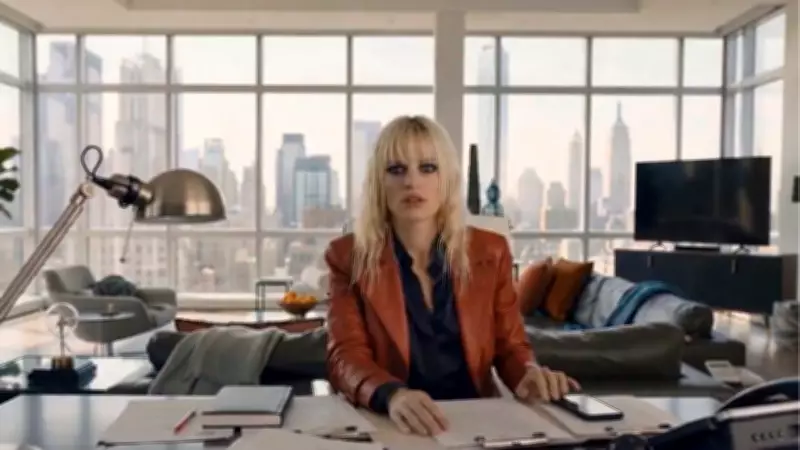
German Studio Creates $200M Hollywood-Style Sci-Fi Film Using AI in Just 24 Hours
A German creative studio has captured global attention by releasing a three-minute science fiction short film that it claims matches the visual quality and epic scale of a $200 million Hollywood blockbuster. Remarkably, this cinematic piece was generated entirely using artificial intelligence in approximately 24 hours, challenging traditional filmmaking paradigms.
The AI-Generated Cinematic Experience
The film, shared online by the Dor Brothers studio, portrays a catastrophic global event unfolding across major urban centers. It features intense scenes of urban chaos, large-scale destruction, spectacular explosions, and sophisticated camera movements that closely resemble the visual language of high-budget studio productions.
According to the studio, this project was created using tools from their proprietary DorLabs platform, completely bypassing conventional filmmaking elements. The production required no physical cameras, human actors, constructed sets, or traditional visual effects pipelines. The $200 million figure represents a comparison to Hollywood production value rather than an actual budget expenditure.

Technical Achievement and Production Workflow
The studio designed this short film specifically to demonstrate what current generative AI systems can accomplish when utilized as a comprehensive end-to-end production workflow. The entire process—from initial concept development through visual generation to final assembly—was reportedly completed within roughly one day.
Dor Brothers bring significant experience to this project, having previously created more than 200 AI-generated music videos and experimental visual projects. This extensive background helped them refine rapid production techniques suitable for longer-form cinematic content. Their new short film builds upon these established workflows with enhanced focus on visual continuity, dynamic camera motion, and the creation of expansive, large-scale environments.
Mixed Reactions and Industry Implications
Online responses to the AI-generated film have been decidedly mixed, reflecting broader debates about artificial intelligence in creative industries:
- Positive reactions have highlighted the photorealistic environments, smooth scene transitions, and the impressive apparent scale of the visuals, with many noting the short's resemblance to high-budget disaster and science fiction films.
- Critical observations have pointed to limitations including inconsistent physics, occasional visual artifacts, and minimal narrative depth, suggesting that while the imagery appears polished, storytelling elements remain underdeveloped.
The project has reignited discussions about how generative AI might transform the film and visual effects industries:
- Supporters view tools like DorLabs as democratizing access to high-end visual production, potentially lowering barriers to entry for creators.
- Critics express concerns about artistic originality, potential displacement of human labor, and the absence of authentic human performance in AI-generated content.
Broader Context and Future Implications
Dor Brothers have characterized their short film as primarily a technical demonstration rather than a finished cinematic work. While their claim doesn't suggest an actual $200 million film was produced, the release has significantly contributed momentum to ongoing conversations about the speed, scale, and evolving role of artificial intelligence in modern filmmaking.
This AI-generated short film stands as a compelling recent example of how rapidly generative tools are advancing within creative industries. It showcases remarkable technical progress while simultaneously raising important questions about creative limitations and the long-term impact of AI on traditional film production methodologies. As these technologies continue to evolve, they promise to reshape how visual stories are conceived, created, and consumed worldwide.