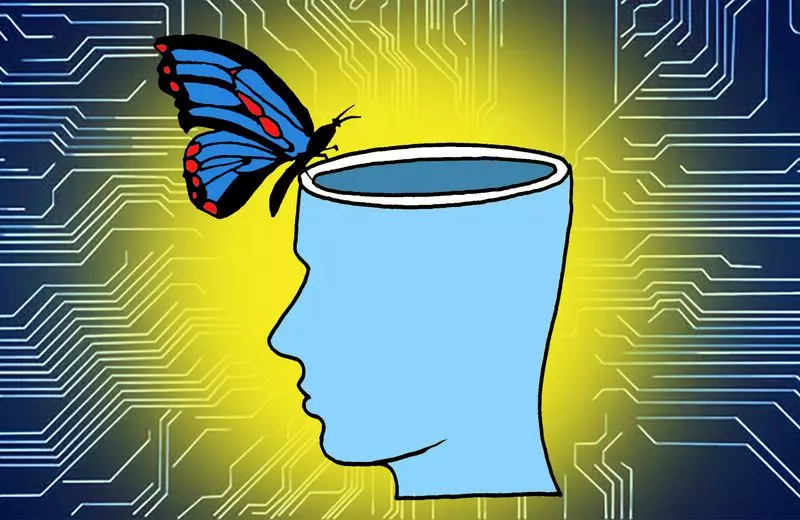
The explosive growth of generative artificial intelligence (AI) has ignited a fierce legal and ethical battle over the very foundation of its creation: the data it learns from. At the heart of this global controversy lies a fundamental question—does the practice of scraping vast amounts of copyrighted text, images, and code from the internet to train AI models constitute permissible 'fair use,' or is it a systematic 'free ride' on the intellectual property of creators? This dilemma is now playing out in courtrooms and policy forums worldwide, with outcomes poised to reshape the trajectory of technological innovation.
The Legal Firestorm: Lawsuits Challenge AI's Foundation
The theoretical debate has rapidly materialized into concrete legal action. Major players in the AI industry, including OpenAI, Microsoft, Meta, and Stability AI, are facing a barrage of high-profile lawsuits from authors, artists, and media organizations. These plaintiffs allege that the unauthorized use of their copyrighted works to train commercial AI systems amounts to massive-scale infringement.
Notable cases include a lawsuit filed by The New York Times against OpenAI and Microsoft in December 2023, accusing them of using millions of its articles to train AI models that now compete as information sources. Similarly, a group of prominent authors, including John Grisham, George R.R. Martin, and Jodi Picoult, have sued OpenAI, claiming its ChatGPT was trained on their copyrighted novels without permission or compensation. In the visual arts domain, Stability AI, the company behind Stable Diffusion, has been sued by Getty Images for allegedly using over 12 million images from its database without license.

These lawsuits challenge the core operational model of generative AI. Companies argue that using publicly available data for training falls under the 'fair use' doctrine in copyright law—a legal principle that allows limited use of copyrighted material without permission for purposes like criticism, comment, news reporting, teaching, and research. They contend that AI training is a transformative, non-expressive use that does not directly compete with or replace the original works, thus qualifying for fair use protection.
Defining "Fair Use" in the AI Era
The central legal battleground is the interpretation and application of the fair use doctrine, particularly in the United States, where most of these lawsuits are filed. The doctrine rests on a four-factor test that courts must weigh:
- The purpose and character of the use: Is it commercial or transformative? AI companies argue their use is highly transformative, as models learn patterns and concepts rather than simply copying content.
- The nature of the copyrighted work: Using factual, published works leans more toward fair use than using highly creative, unpublished ones.
- The amount and substantiality of the portion used: This is a major point of contention. While AI models ingest entire works, companies claim this is technically necessary and the output does not reproduce substantial, recognizable portions.
- The effect on the potential market: Does the AI use harm the market for the original work? Creators argue AI outputs can supplant demand for their work, while AI firms claim they serve different purposes.
Critics of the AI industry's stance, including many creators and legal scholars, vehemently disagree. They argue that ingesting entire libraries of copyrighted material to create commercial products that can then generate competing content is neither fair nor transformative in the legal sense. They see it as a free ride that devalues human creativity and undermines the economic incentives copyright law is designed to protect. "If you're using it to build a commercial product that is going to replace human creators, that's not fair use," is a common refrain from the artistic community.

Global Responses and the Path Forward
The legal uncertainty has spurred action beyond the courts. Governments and regulatory bodies are grappling with how to adapt existing laws for the AI age. The European Union's AI Act, passed in March 2024, introduces transparency obligations requiring AI companies to publish detailed summaries of the copyrighted data used to train their general-purpose AI models. This is a significant step toward accountability, though it stops short of mandating explicit prior consent.
In parallel, the industry is exploring technical and business solutions. Some companies are now proactively licensing content from publishers and archives. Others are investing in synthetic data—AI-generated data used to train other AI models—though this approach is still nascent and raises its own questions about quality and bias. Voluntary opt-out mechanisms, like the `robots.txt` protocol or newly proposed AI-specific tags, allow website owners to block AI web crawlers, but their effectiveness and adoption are inconsistent.
The resolution of this copyright dilemma will have profound consequences. A strict legal ruling against fair use could severely constrain AI development, raising costs and limiting innovation to only those with vast resources for licensing. Conversely, a broad interpretation in favor of AI companies could disenfranchise creators, potentially chilling artistic production and concentrating power in the hands of a few tech giants. The path forward likely requires a new, nuanced legal and ethical framework—one that balances the immense potential of AI with the fundamental right of creators to benefit from their work, ensuring the digital ecosystem remains vibrant and fair for all.