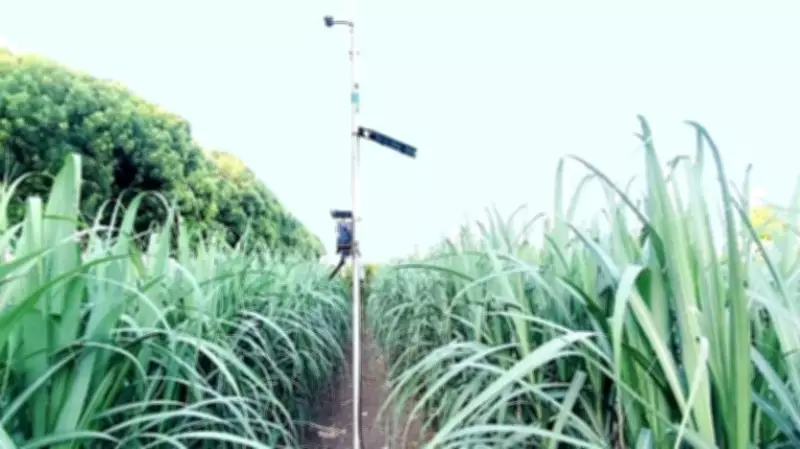
AI Technology Transforms Sugarcane Farming in Karnataka's Aland Region
Farmers in the Aland region of Karnataka are embracing artificial intelligence to revolutionize their sugarcane cultivation practices. This innovative approach is enabling them to achieve significantly higher yields by optimizing critical agricultural inputs.
Precision Guidance for Optimal Crop Management
The AI system provides real-time recommendations on when and how much water and nutrients should be administered to sugarcane crops. This precision farming technique ensures that resources are used efficiently while maximizing crop health and productivity.
By analyzing various data points including soil conditions, weather patterns, and crop growth stages, the AI delivers tailored advice that helps farmers make informed decisions about irrigation and fertilization schedules.

Inspiration from Maharashtra's Baramati Success Story
The sugarcane growers in Aland have taken their cue from the successful implementation of AI technology in the sugarcane belt of Baramati, Maharashtra. Observing the positive outcomes achieved by their counterparts in Maharashtra has motivated Karnataka farmers to adopt similar technological solutions.
This cross-state knowledge transfer represents a significant advancement in agricultural practices across India's sugarcane-growing regions.
Benefits of AI Integration in Agriculture
- Increased Yield Potential: Farmers can now aim for higher sugarcane production through optimized resource management
- Resource Efficiency: Precise water and nutrient application reduces waste and environmental impact
- Data-Driven Decisions: AI analysis provides scientific basis for farming practices rather than traditional guesswork
- Knowledge Sharing: Successful models from one region can be adapted and implemented in others
The integration of artificial intelligence into traditional farming practices marks a transformative shift in how Indian agriculture approaches crop management. As more farmers recognize the benefits of this technology, similar implementations are likely to spread to other agricultural regions and crops throughout the country.