Dogs spend far more time asleep than most people realize. Some drift off after a short walk, while others seem happiest stretched across a sofa for most of the afternoon. Sleep patterns vary between breeds, though larger dogs and those originally bred for calm companion work often lean toward longer naps and slower routines indoors. Age also plays a role. Puppies and older dogs can sleep for long stretches, even in active households.
Several breeds appear repeatedly in lists of heavy sleepers because of their temperament rather than laziness. Many are gentle, steady dogs that conserve energy between bursts of activity. They still require exercise and mental stimulation, but they are usually less restless around the house than working breeds bred for constant movement. Below are ten breeds most often associated with long naps and relaxed daily habits.
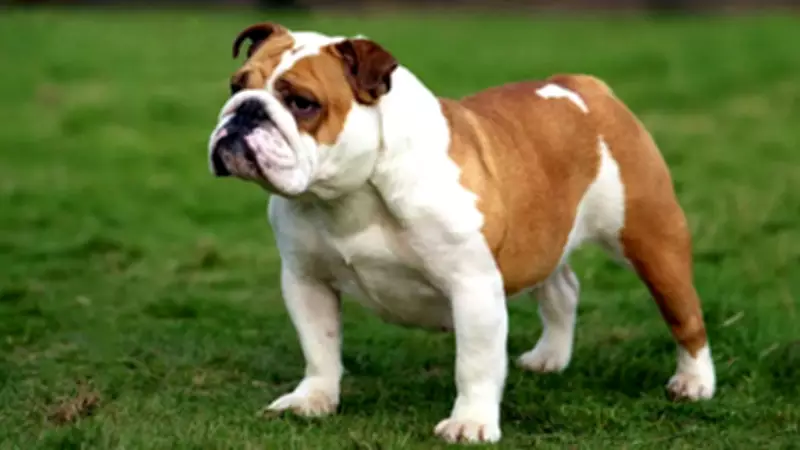
1. English Bulldog
The English Bulldog has a reputation for conserving energy wherever possible. Short walks are usually sufficient before it settles back into a slower pace indoors. Their compact build and breathing difficulties can make strenuous activity uncomfortable, especially during warm weather, so long periods of rest are common throughout the day. Owners often describe bulldogs as quietly stubborn rather than energetic. They tend to prefer cool corners, soft bedding, and predictable routines. While playful in short bursts, many quickly lose interest in extended games and return to sleeping beside familiar people.

2. Basset Hound
Long ears, heavy eyelids, and a slow walk give the Basset Hound an almost permanently sleepy appearance. Originally bred for scent tracking, the breed can work steadily outdoors, but indoors they are usually calm and unhurried. Many spend hours moving between naps without much fuss. Basset Hounds often enjoy comfort more than activity once exercise is finished. Sofas, rugs, and shaded patches of floor tend to become favorite spots. Their relaxed behavior can sometimes be mistaken for laziness, though most still enjoy sniffing walks and exploring unfamiliar scents outside.
3. Saint Bernard
The sheer size of the Saint Bernard means everyday movement requires considerable energy. After moderate exercise, many settle into extended periods of sleep simply because large breeds tire more easily than smaller dogs. Warm conditions can make them even less active. Despite their history as rescue dogs in alpine regions, Saint Bernards are usually patient and quiet in domestic settings. They often move slowly around the house and prefer calm environments. Their sleeping habits are partly linked to their massive frame, which naturally demands longer recovery periods after activity.
4. Great Dane
People are often surprised by how much the Great Dane sleeps. Although imposing in size, the breed is commonly gentle indoors and spends much of the day resting. Short walks and occasional play are usually followed by lengthy stretches sprawled across large beds or floors. Great Danes mature relatively slowly and can appear awkward during younger years, though adulthood often brings a quieter temperament. They are known for staying close to their owners rather than constantly roaming around the house. Their calm nature contributes heavily to their reputation as dedicated nappers.
5. Cavalier King Charles Spaniel
The Cavalier King Charles Spaniel was bred primarily for companionship, which still shapes its behavior today. Many are content spending long periods curled beside people, especially in quieter households. They adapt easily to indoor living and rarely demand constant stimulation. While affectionate and playful, Cavaliers usually settle quickly after exercise. They often follow owners from room to room before sleeping nearby for hours. Their smaller size and gentle personality make them appear less demanding than more energetic spaniel breeds developed for field work.

6. Shih Tzu
The Shih Tzu developed as a companion dog rather than a working breed, and its daily rhythm often reflects that history. Many enjoy short walks followed by long stretches indoors where they can rest comfortably near family members. Shih Tzus are usually alert without being hyperactive. They can become playful in brief bursts, though extended exercise is rarely necessary. Much of their day may involve sleeping in different corners of the house, particularly in calm environments where routines remain consistent.
7. Chow Chow
Independent and reserved, the Chow Chow is not known for endless enthusiasm or constant movement. Many prefer observing quietly from a distance before returning to sleep. Their thick coat also makes cooler resting areas particularly appealing. Chow Chows often appear serious and self-contained indoors. They usually enjoy exercise in moderation but rarely display the restless behavior seen in highly active breeds. Owners frequently notice long afternoon naps, especially after walks or during warmer parts of the day.
8. Newfoundland
The Newfoundland dog combines an enormous frame with a notably calm temperament. Though capable swimmers and strong working dogs, many are surprisingly slow-moving at home. Long naps are common after exercise, partly because large breeds naturally use more energy during routine movement. Newfoundlands are generally steady and gentle around families. They tend to prefer quiet company over constant activity and can spend much of the day sleeping near familiar people. Their heavy coat may also encourage inactivity during humid or hot conditions indoors.
9. Pekingese
The Pekingese was historically kept as a palace companion, and much of its behavior still reflects a preference for comfort over constant movement. Many enjoy calm indoor routines and can spend long stretches resting in familiar spots around the house. Although confident and alert, Pekingese dogs are rarely hyperactive. Their short muzzle can make vigorous exercise tiring, particularly in warm weather, so they often settle quickly after short walks. Owners usually describe them as independent sleepers who enjoy quiet surroundings and steady daily habits.
10. Greyhound
Despite their racing background, the Greyhound is widely known for sleeping for large parts of the day once exercise is finished. They tend to release energy in short bursts rather than remaining active for hours, which often surprises people meeting the breed for the first time. Indoors, greyhounds are usually quiet and relaxed. Many prefer soft beds, warm rooms, and predictable routines. After a run or walk, they commonly spend the rest of the day resting peacefully. Their calm behavior at home has earned them a reputation as one of the more low-key large breeds to live with.