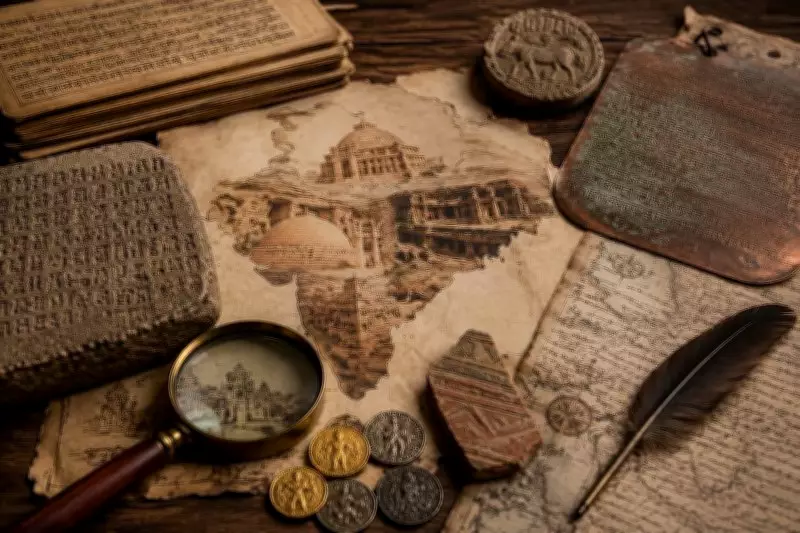
History is not merely a collection of dates and events; it is a reconstruction of the past based on evidence. Historians rely on various sources to piece together what happened in bygone eras. These sources are broadly categorized into primary and secondary sources, each playing a vital role in historical writing.
Primary Sources: The Foundation of History
Primary sources are firsthand accounts or direct evidence from the time period under study. They include documents, artifacts, inscriptions, coins, and oral traditions. For example, ancient inscriptions on stone or copper plates provide insights into rulers, administrative systems, and social structures. Similarly, literary works like the Vedas, Puranas, and epics offer glimpses into the cultural and religious life of ancient India. Primary sources are considered the most reliable because they are contemporary to the events they describe.
Types of Primary Sources
- Archaeological Sources: These include excavations, monuments, tools, pottery, and remains of settlements. The Indus Valley Civilization, for instance, is known primarily through archaeological findings.
- Literary Sources: Texts such as the Arthashastra by Kautilya or the accounts of foreign travelers like Megasthenes provide valuable information about governance and society.
- Numismatic Sources: Coins offer details about trade, economy, and rulers. The Gupta gold coins, for example, highlight the prosperity of that era.
- Inscriptions: Edicts of Ashoka on pillars and rocks reveal the spread of Buddhism and the emperor's policies.
Secondary Sources: Interpretations of the Past
Secondary sources are works written by historians after analyzing primary sources. They include textbooks, biographies, and scholarly articles. These sources interpret and analyze the past, often presenting multiple perspectives. For example, a modern historian's book on the Mughal Empire is a secondary source that synthesizes information from primary documents. While secondary sources are valuable for understanding broader contexts and debates, they are one step removed from the original events and may contain biases.

Importance of Secondary Sources
- They provide a narrative that connects disparate primary sources.
- They offer analysis and interpretation, helping readers understand the significance of events.
- They often include historiography, or the study of how history has been written over time.
The Role of Sources in Historical Writing
Historical writing depends on critical evaluation of sources. Historians must assess the authenticity, reliability, and bias of each source. For instance, a royal inscription might exaggerate a king's achievements, while a foreign traveler's account might be colored by cultural prejudice. By cross-referencing multiple sources, historians can construct a more accurate picture of the past.
Challenges in Using Sources
- Interpretation: The same source can be interpreted differently by different historians.
- Gaps: Many periods have limited sources, leaving gaps in our knowledge.
- Bias: Sources often reflect the perspective of their creators, requiring careful analysis.
In conclusion, sources of history are the building blocks of historical reconstruction. Primary sources provide raw data, while secondary sources offer interpretation and context. Together, they enable historians to reconstruct the past with as much accuracy as possible, making history a dynamic and evolving field of study.